Namche Bazaar: The Sherpa Capital and Gateway to Everest Base Camp
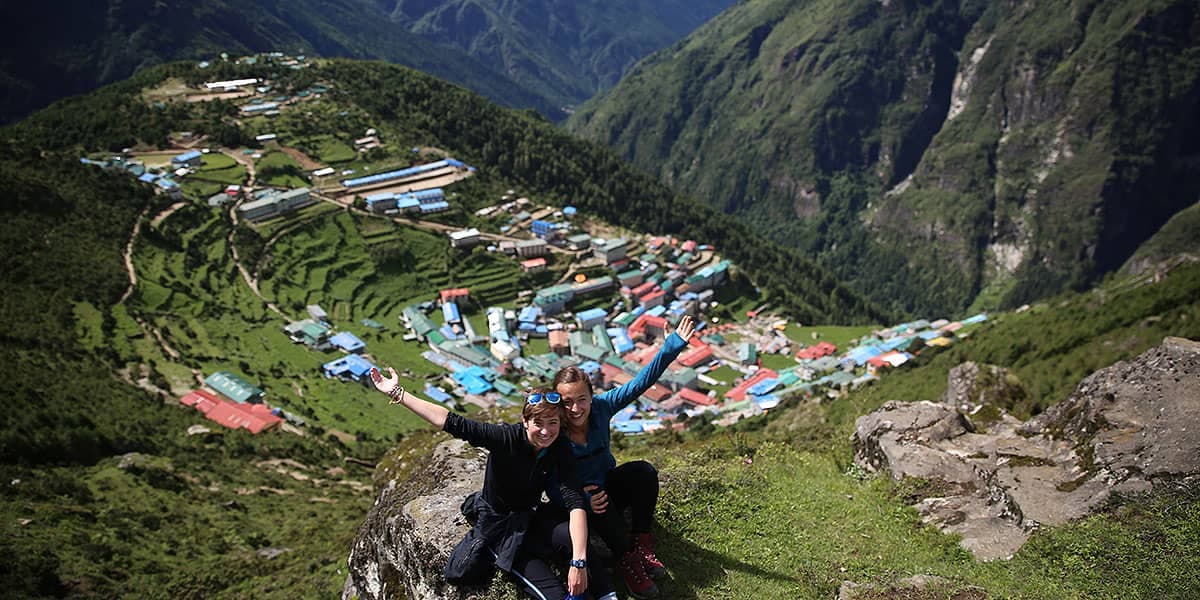
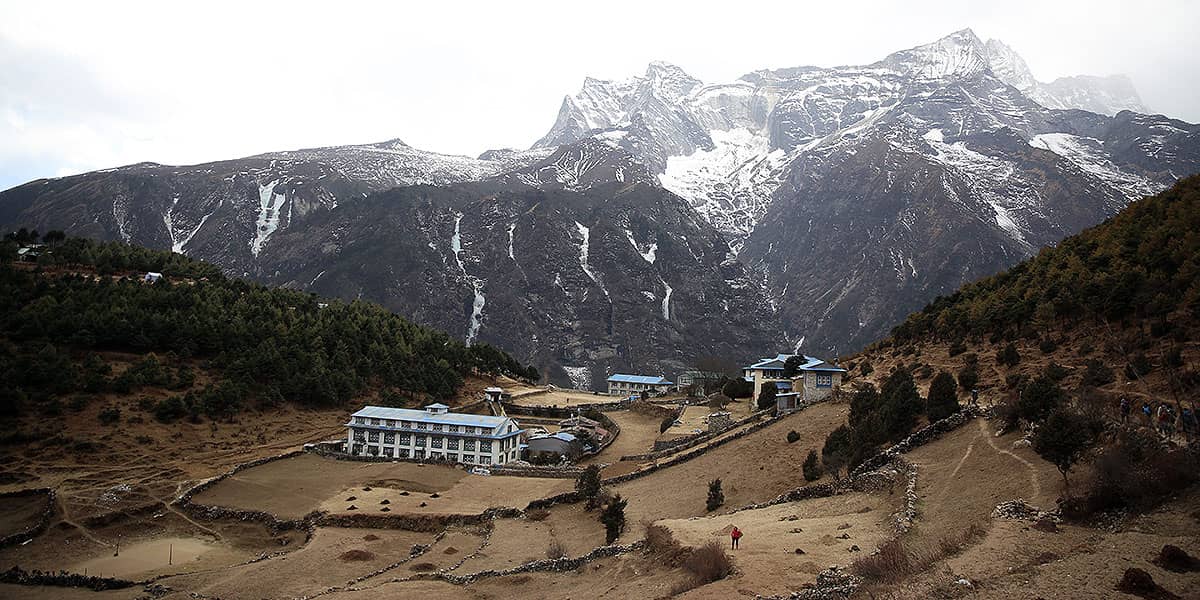
Every trekker heading for Mount Everest goes through one place: Namche Bazaar. It sits in a horseshoe-shaped bowl at 3,440 metres (11,286 ft), with snow peaks all around it. Namche is the busiest trading centre in the Khumbu, the heart of Sherpa culture and the meeting point for almost every trek and expedition in the Everest region. Whether you’re heading for Everest Base Camp, a high pass or a climbing peak, you will stop in Namche, and most people end up loving it.
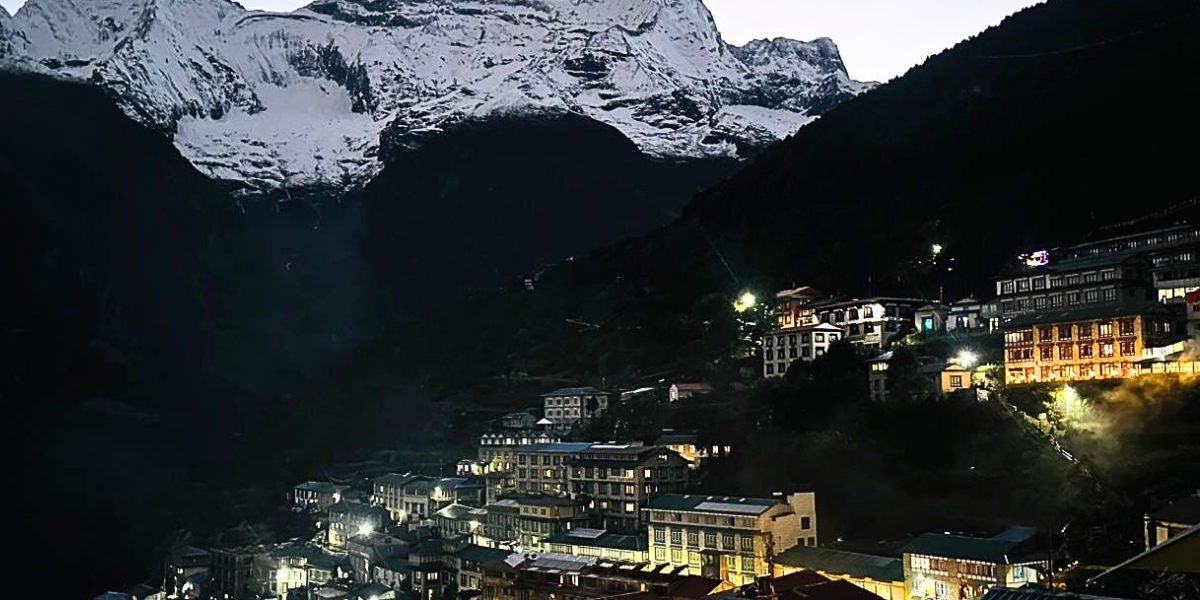
Namche Bazaar village in a horseshoe valley on the Everest Base Camp trek, Nepal
Where Is Namche Bazaar Located?
Namche Bazaar is in the Solukhumbu District of north-eastern Nepal, inside Sagarmatha National Park, a UNESCO World Heritage Site. Most trekkers fly from Kathmandu (or Ramechhap/Manthali in peak season) to Lukla (2,860 m). They then follow the Dudh Koshi River through Phakding and Monjo, cross the famous Hillary Suspension Bridge and climb steeply up to Namche. The walk normally takes two days.
Quick Facts
Altitude 3,440 m / 11,286 ft
District Solukhumbu, Koshi Province
Population Roughly 1,600–1,800
Main people Sherpa (Tibetan Buddhist)
Lodges & hotels Around 50–60+
Cafés & restaurants Around 30–40+
Nearest airstrip Lukla (2 days’ walk)
A Brief History: The Old Tibet–Nepal Trade Route
Bazaar means market, and Namche earned the name. For hundreds of years, Tibetan traders crossed the high Nangpa La Pass (about 5,716 m) with yak caravans carrying rock salt, wool, dried yak meat, yak-wool blankets and carpets. In return, they took home rice, grains and sugar from Nepal’s lower valleys. Sherpa families prospered as middlemen, and Namche grew into a busy village. In the 20th century, political changes in Tibet and stricter border rules from the Nepal government closed this walking route, and the caravans stopped. Namche stayed a market, though. Today, goods come from the south: porters, yaks and mules carry them up from Kathmandu, Lukla and the lower villages.
The Namche Saturday Market
Every Saturday morning, Namche holds its weekly market. Porters walk for days from the lower hills to sell tomatoes, potatoes, onions, rice, lentils, flour, eggs, cooking oil and household goods. Locals and lodge owners from Namche, Khumjung and Thame come to stock up for the week. It’s loud, colourful and a real look at mountain life. If you’re in Namche on a Saturday, wake up early and go.
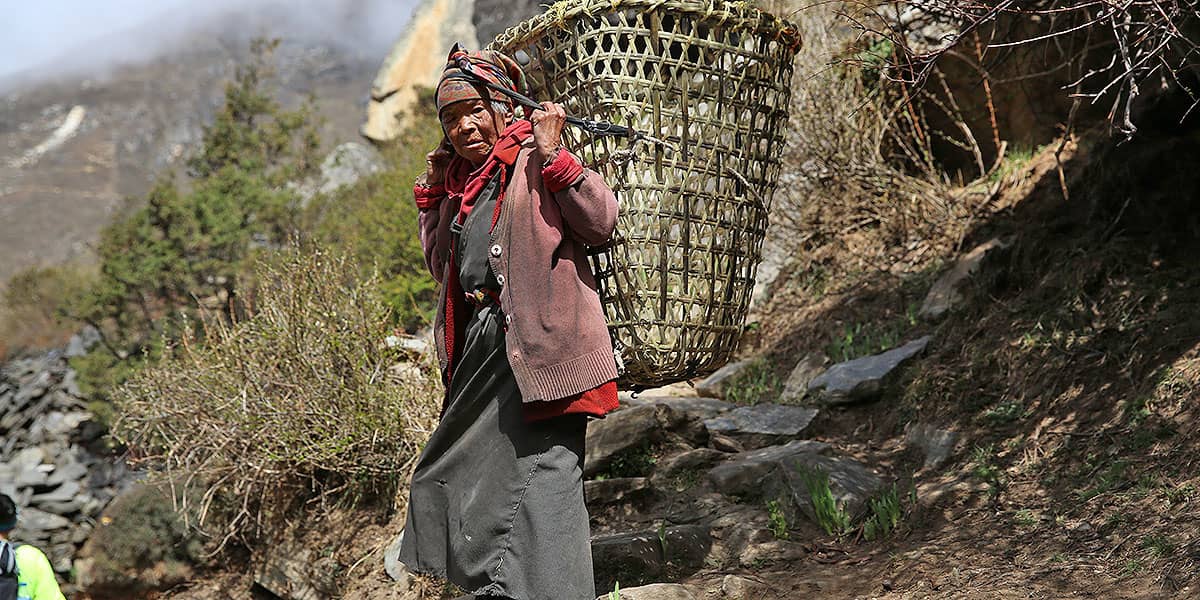
Sherpa Culture and Monasteries
Namche is home to many Sherpa families, known worldwide for their mountaineering skills and hospitality. They practice Tibetan Buddhism, and you see it everywhere: prayer flags over rooftops, mani stones carved with “Om Mani Padme Hum,” prayer wheels and white stupas. Highlights include the Namche Gompa, the Sherpa Culture Museum and the Sagarmatha National Park Visitor Centre, with its statue of Tenzing Norgay Sherpa. Namche also has a health post, a helipad for rescue flights, ATMs and Wi-Fi.
Hotels, Tea Houses, Cafés and Gear Shops
Namche has the best accommodation on the Everest trail: around 50 to 60 or more lodges. They range from budget tea houses with stove-heated dining rooms to upper-class hotels with heated rooms, hot showers and laundry services. That’s why climbers coming down from Everest Base Camp often push straight down to Namche. There are also 30 to 40 or more cafés and bakeries serving espresso, apple pie, pizza, momos and dal bhat. Dozens of gear shops sell or rent down jackets, sleeping bags and crampons, including brands like The North Face and Merrell, as well as summit gear for Everest expeditions.
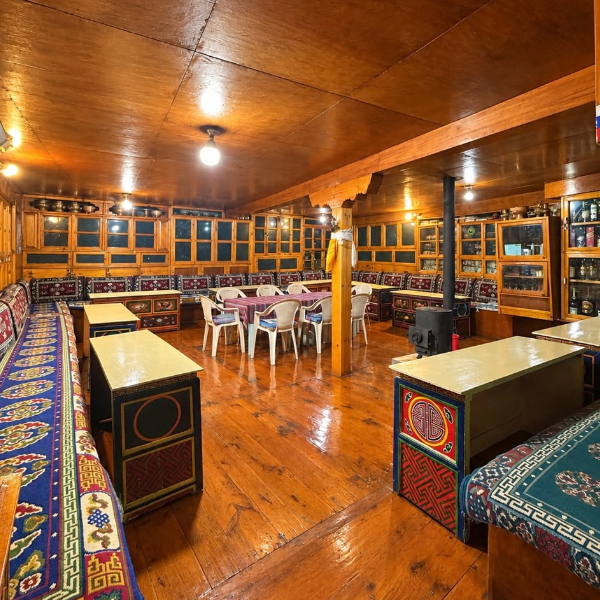
Comfortable tea house lodge in Namche Bazaar on the Everest trek
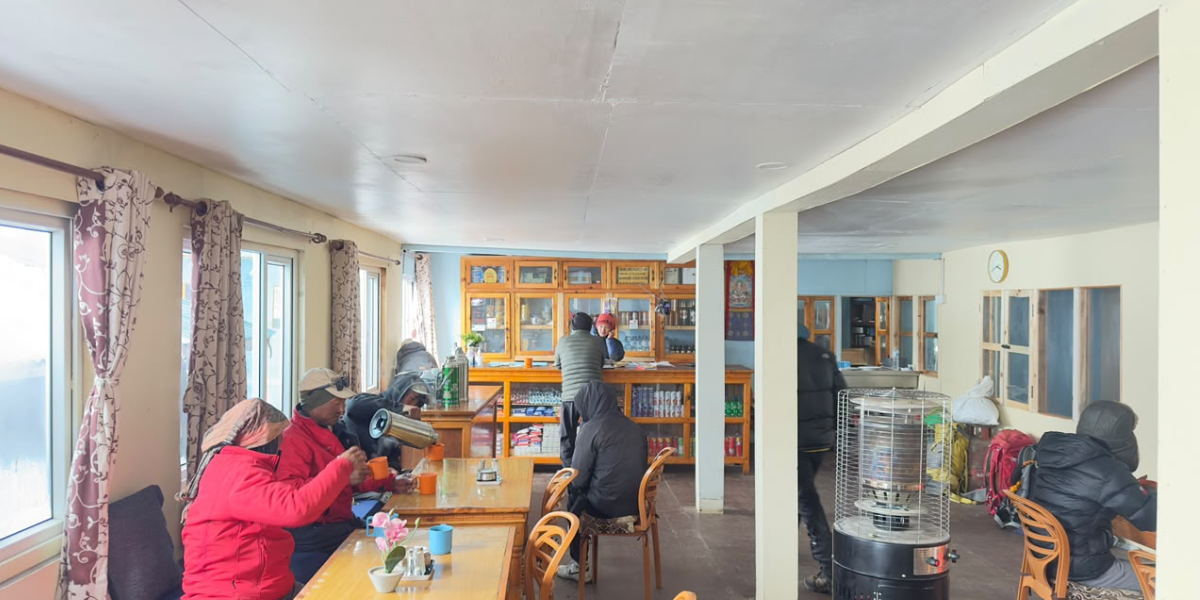
Alt text: Warm tea house dining room in Namche Bazaar, Khumbu region
Namche Bazaar: The Meeting Point of Every Everest Region Trek
Namche is called the “Gateway to Everest” because almost every Khumbu route goes through it, on the way up and again on the way down:
Everest Base Camp Trek
Gokyo Lakes Trek and Gokyo Ri
Everest Three Passes Trek (Kongma La, Cho La, Renjo La)
Tashi Lapcha Pass: Rolwaling to Everest (Khumbu)
Amphu Lapcha Pass: Hongu Valley to Imja Valley (Everest/Makalu side)
Island Peak, Lobuche Peak, Ama Dablam, Pumori and Everest expeditions
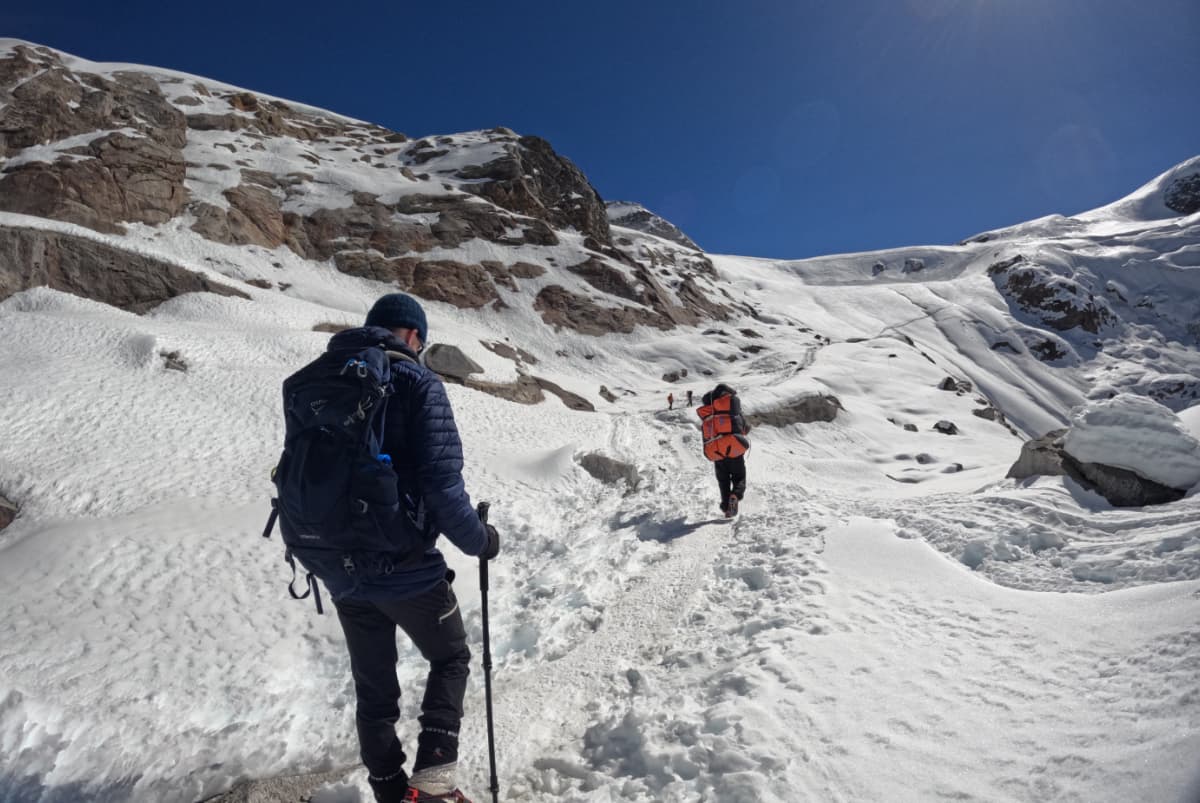
West of Namche, a quiet trail leads to Thame, the start of the Renjo La route to Gokyo Lakes. Thame is also the Khumbu end of the Tashi Lapcha Pass (approx. 5,755 m), a very challenging technical crossing from the remote Rolwaling Valley. On the Rolwaling side, the route passes Beding, Na and the stunning Tsho Rolpa glacial lake, then crosses glaciers and steep snow and ice, often using fixed ropes. After days in the wilderness, trekkers reach Namche as their first big village.
Amphu Lapcha Pass: Hongu Valley to Imja Valley
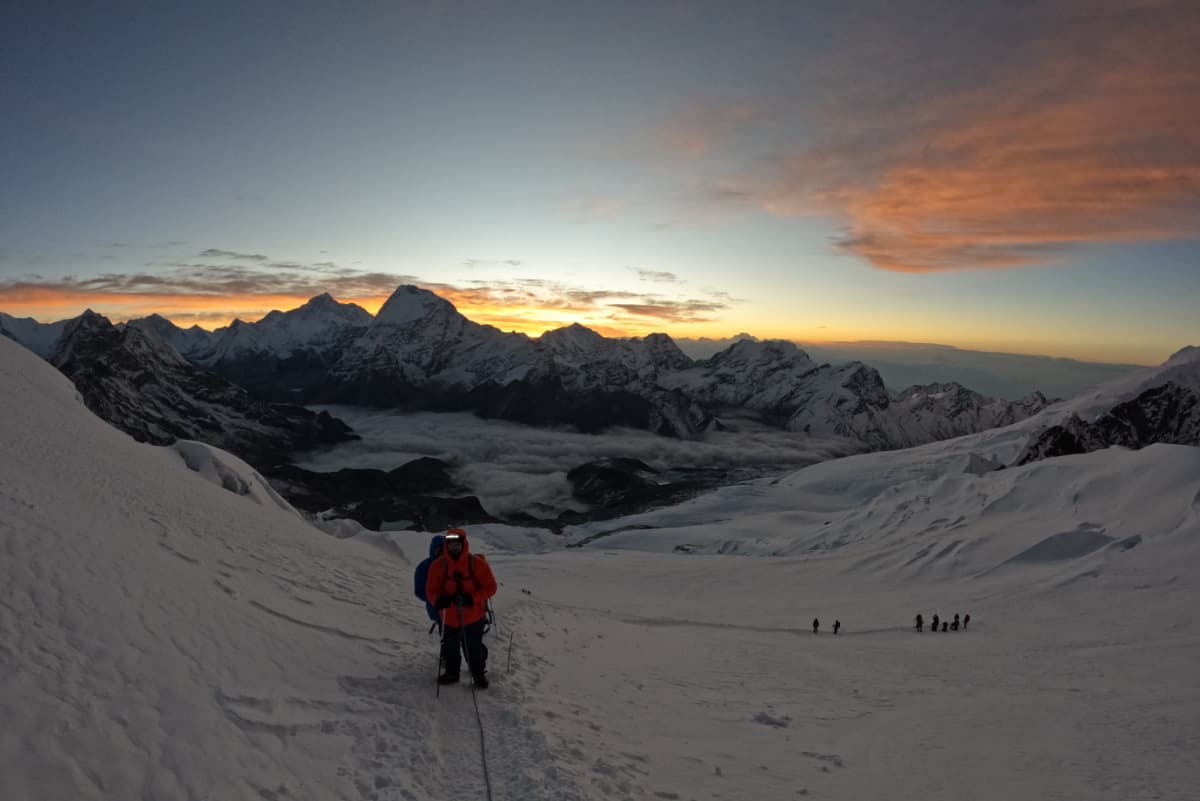
To the east, beyond Dingboche and Chhukung, is the Amphu Lapcha Pass (approx. 5,845 m), one of Nepal’s hardest crossings. It links the remote Hongu Valley on the Makalu side, often combined with a Mera Peak climb, with the Imja Valley near Island Peak. With steep ice and possible abseiling, it is only for experienced mountaineers. Teams then walk down via Dingboche and Tengboche to rest in Namche.
Day Hikes: Hotel Everest View and Khumjung
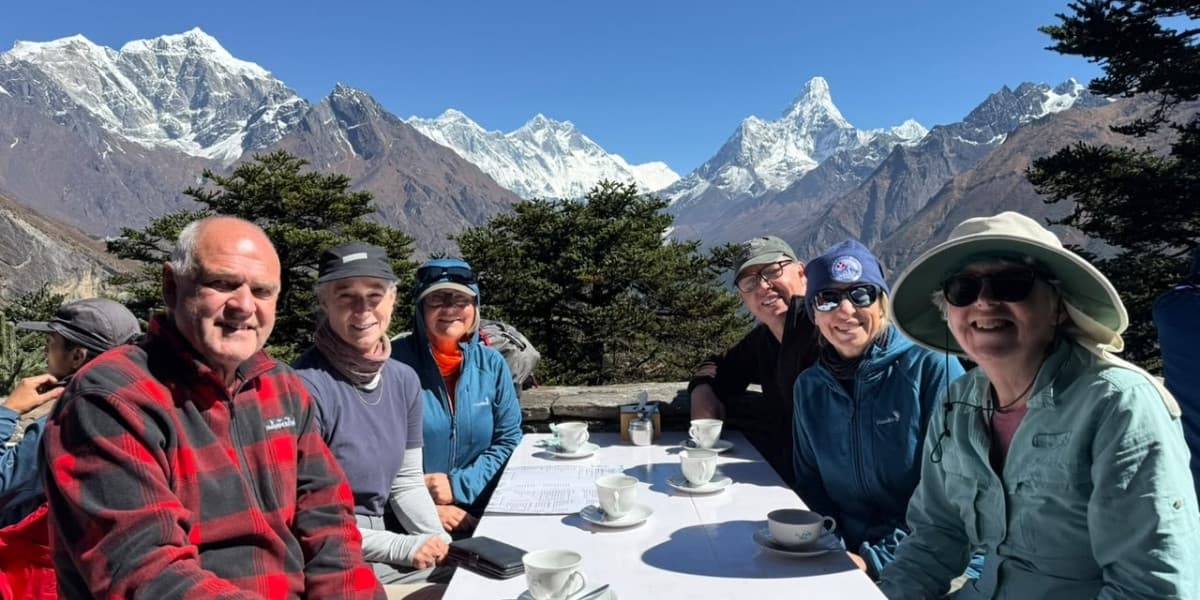
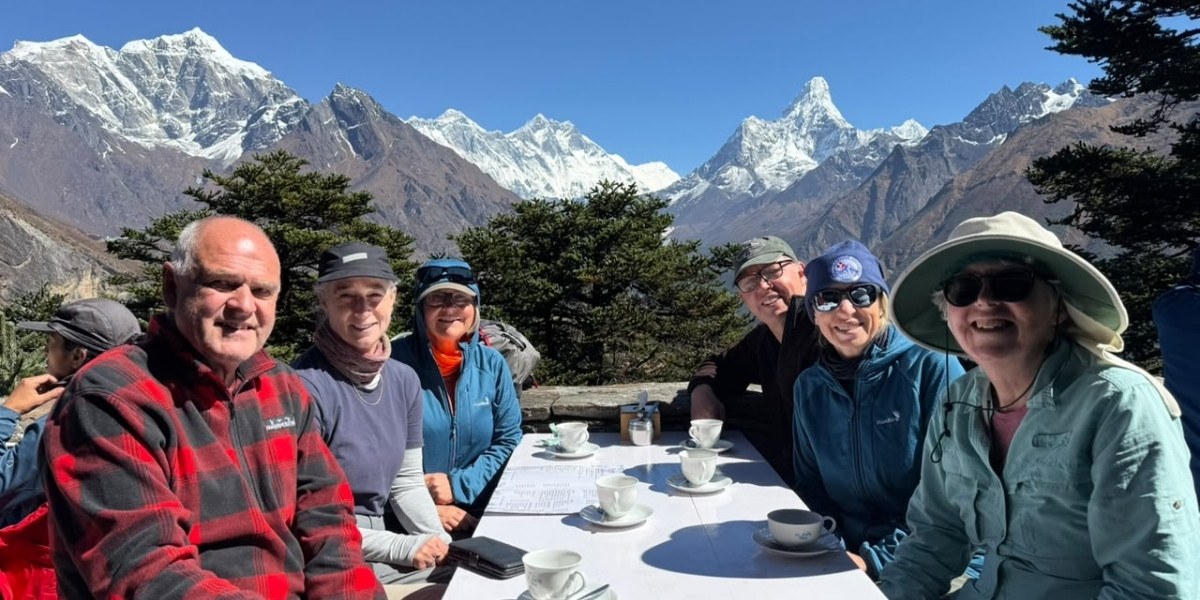
Most itineraries include an acclimatization day in Namche. A 1.5–2 hour climb leads to Hotel Everest View (3,880 m), one of the highest-placed hotels in the world, with views of Everest, Lhotse and Ama Dablam. Further on is Khumjung, with its monastery that keeps a famous “Yeti scalp” and the school founded by Sir Edmund Hillary.
Alt text: View of Mount Everest and Ama Dablam from Hotel Everest View near Namche Bazaar
Sunrise and Sunset Views
Sunrise: Climb to the viewpoint above the village near the national park headquarters. The first golden light hits Everest, Lhotse, Nuptse and Ama Dablam while Namche wakes below.
Sunset: In the evening, Kongde Ri and Thamserku across the valley glow orange, pink and purple as the village lights come on.
Take On Nepal’s Itinerary Through Namche
Going up: Lukla → Phakding → Namche Bazaar, plus an acclimatization day.
Namche → Tengboche: We trek to Tengboche (3,867 m) and its beautiful monastery, the largest in the Khumbu.
Coming down: After Everest Base Camp, we descend from Pangboche to Namche for one more comfortable night before Phakding and Lukla.
Travel Tips
Spend at least two nights in Namche to acclimatize.
Carry Nepali rupees, because ATMs can fail.
Expect to pay extra for charging and Wi-Fi.
Walk clockwise around stupas and ask before photographing people.
Visit on a Saturday for the market.
FAQs About Namche Bazaar
What is the altitude of Namche Bazaar?
About 3,440 m (11,286 ft).
How long from Lukla to Namche?
Usually two days, staying overnight in Phakding or Monjo.
Do I need an acclimatization day in Namche?
Yes. It reduces the risk of altitude sickness.
Which high passes connect to Namche?
Renjo La, Tashi Lapcha (from Rolwaling) and Amphu Lapcha (from the Hongu Valley) all lead into routes that pass through Namche.
When is the best time to visit?
Spring (March–May) and autumn (late September–November).
Plan Your Everest Adventure with Take On Nepal
Namche Bazaar is much more than a stop on the trail. It mixes Tibetan trade history, Sherpa culture, Himalayan views and mountain comfort. Contact Take On Nepal today to book your Everest Base Camp, Gokyo Lakes, Three Passes or high-pass expedition with our experienced local guide.