By Som Tamang | Founder and Director of Take On Nepal
Trekking to Everest Base Camp is a dream for many travellers. Walking through the beautiful Khumbu Valley, surrounded by the world's highest mountains, is an unforgettable experience. However, trekking above 4,000 metres comes with health risks. Altitude sickness can affect anyone, regardless of age, fitness or trekking experience.
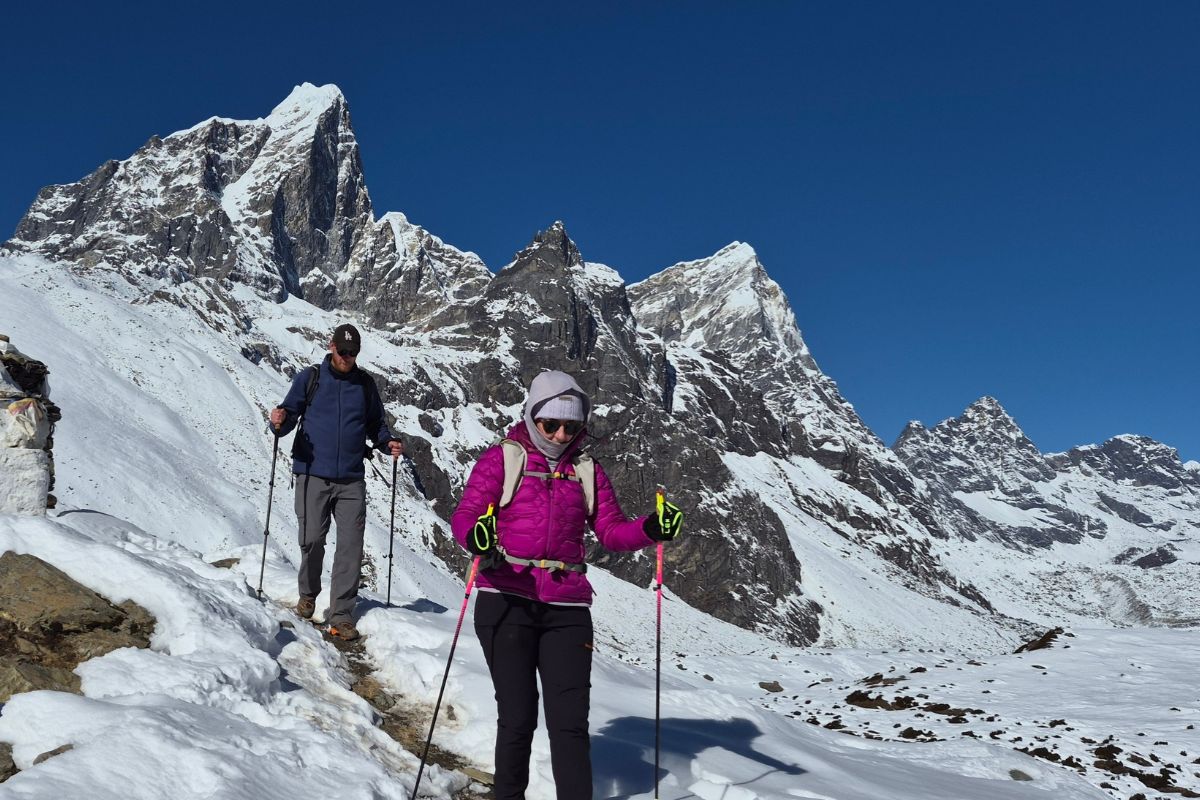
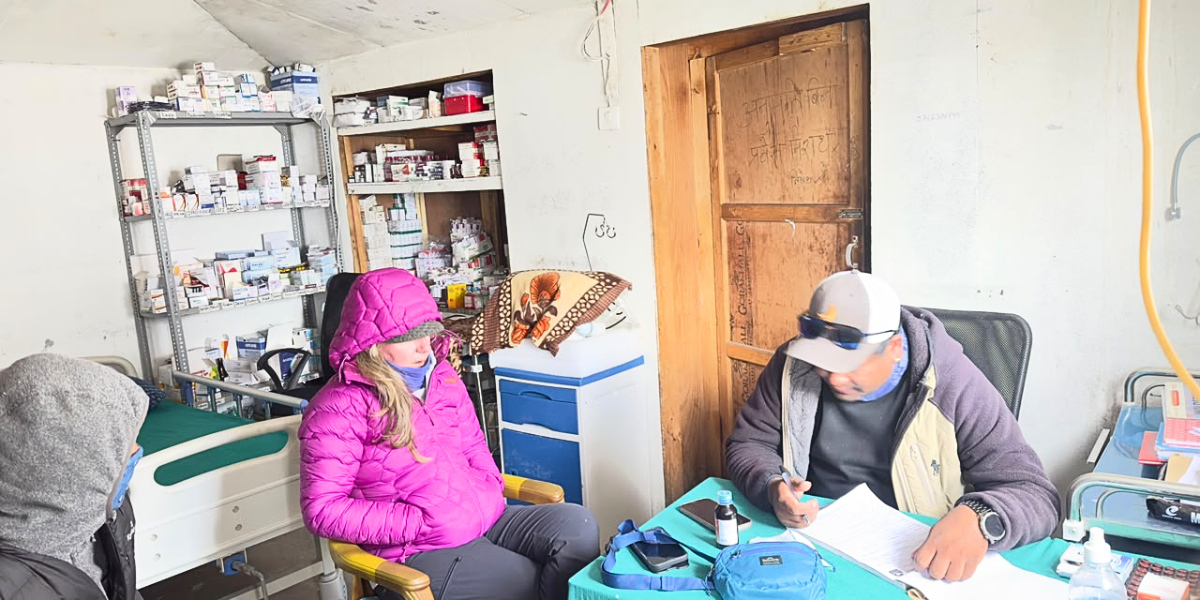
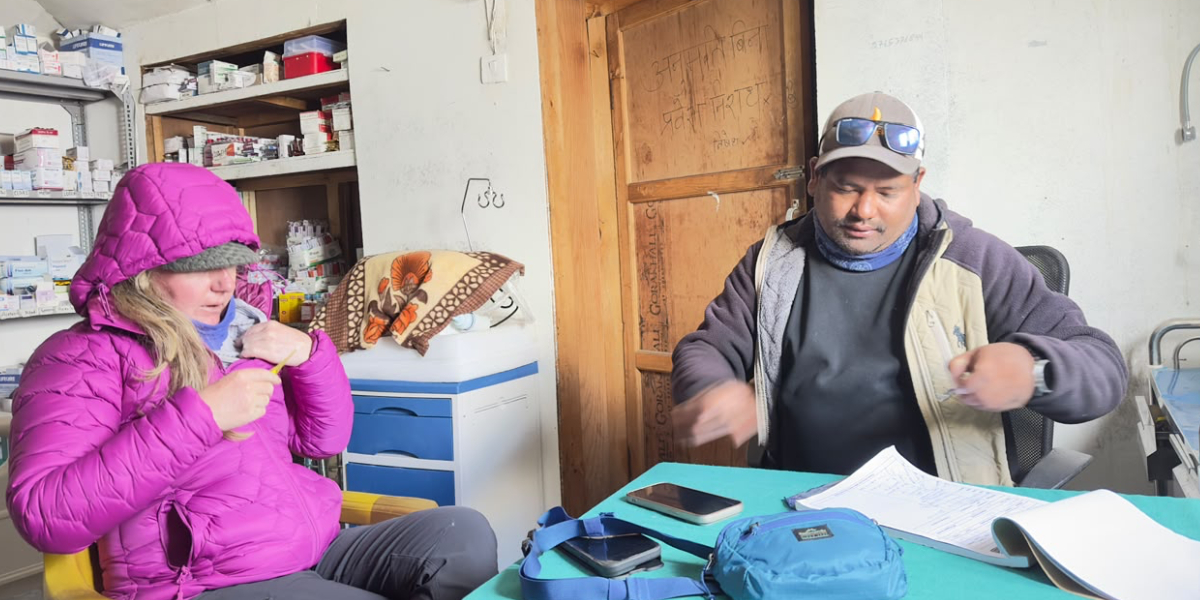
At Take On Nepal, we believe looking after our trekkers is just as important as helping them reach Everest Base Camp. Our experienced local guides understand the importance of recognising altitude sickness, seeking medical advice and making sensible decisions when someone becomes unwell. In this article, I want to explain where medical assistance is available along the Everest Base Camp trail, what happens if you become sick, and how emergency helicopter evacuations are organised. We also share genuine photographs from our trekking adventures, including local medical facilities and our clients receiving medical checks in the Khumbu region.
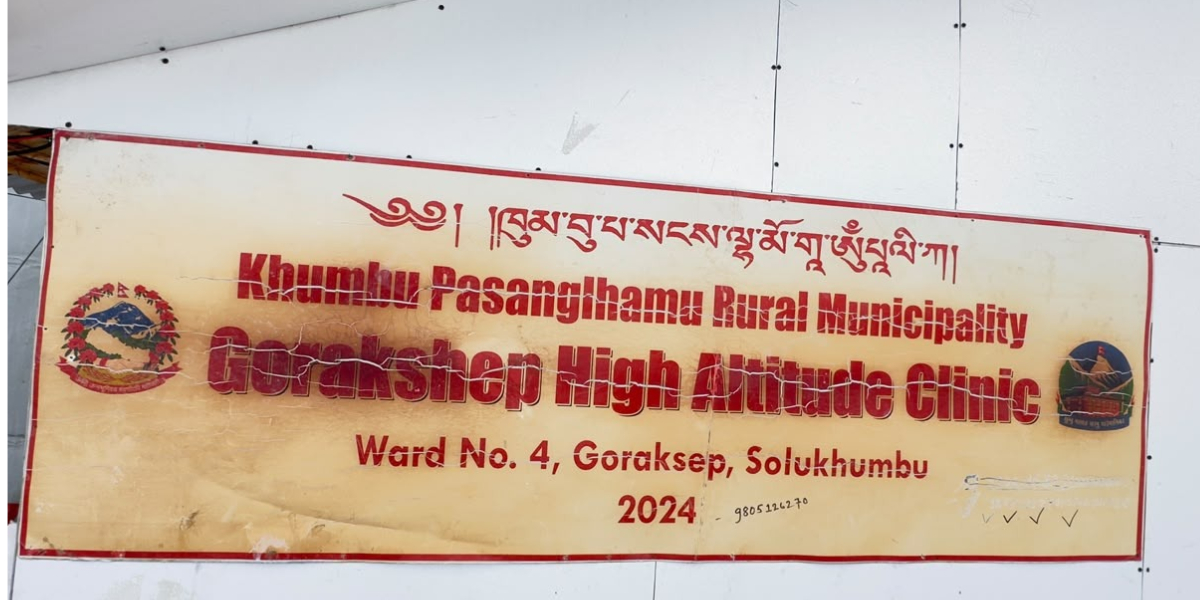
1. Medical Clinics Along the Everest Base Camp Trek
Medical assistance is available at selected locations in the Everest region. However, it is important to understand that these are remote mountain communities. Medical facilities, doctors, equipment and supplies are limited and may change depending on the season. Here are some important locations along the trail.
Pheriche Medical Clinic – Himalayan Rescue Association
Pheriche, at approximately 4,250 metres, is home to the Himalayan Rescue Association (HRA) medical aid post. This is one of the most important medical facilities for trekkers in the Khumbu region. During its operating seasons, doctors provide medical assessments, altitude sickness advice and treatment for common mountain-related health problems. If one of our trekkers develops a headache, dizziness, nausea or other symptoms, we can help arrange a medical assessment. The medical team can assess the situation and advise whether the trekker should rest, remain at the same altitude or descend.
Dingboche and Lobuche
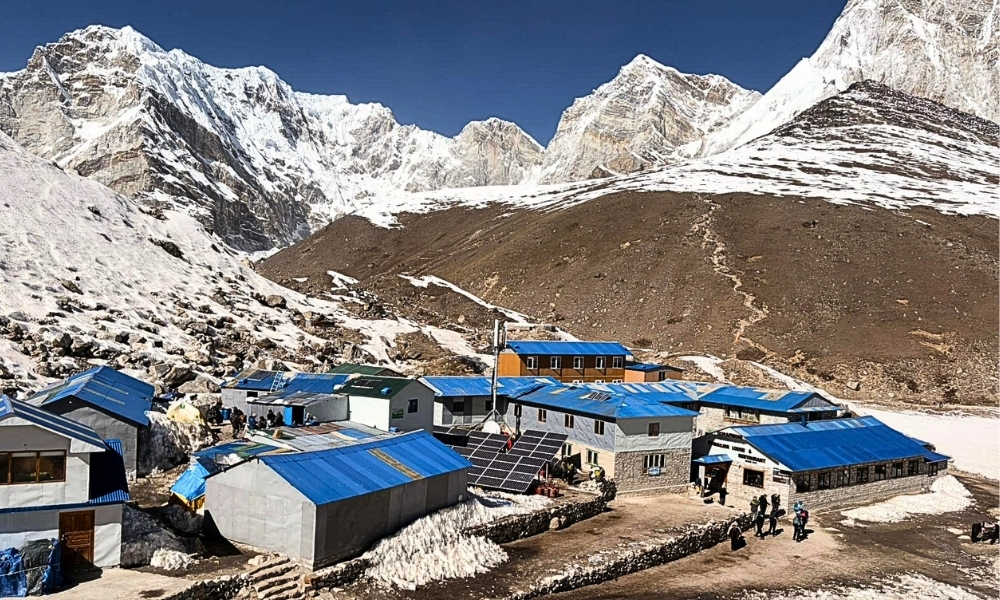
Dingboche (approximately 4,410 metres) and Lobuche (approximately 4,940 metres) are important overnight stops on the way to Everest Base Camp. Medical services in these villages are available. Basic assistance may be available locally, but trekkers should not always expect a doctor at the clinics, sometimes they are manned by trained health professionals. Our guides pay close attention to how clients are feeling as we travel higher. If someone becomes unwell, we seek appropriate medical advice and consider the safest next steps.
Gorak Shep Medical Assistance
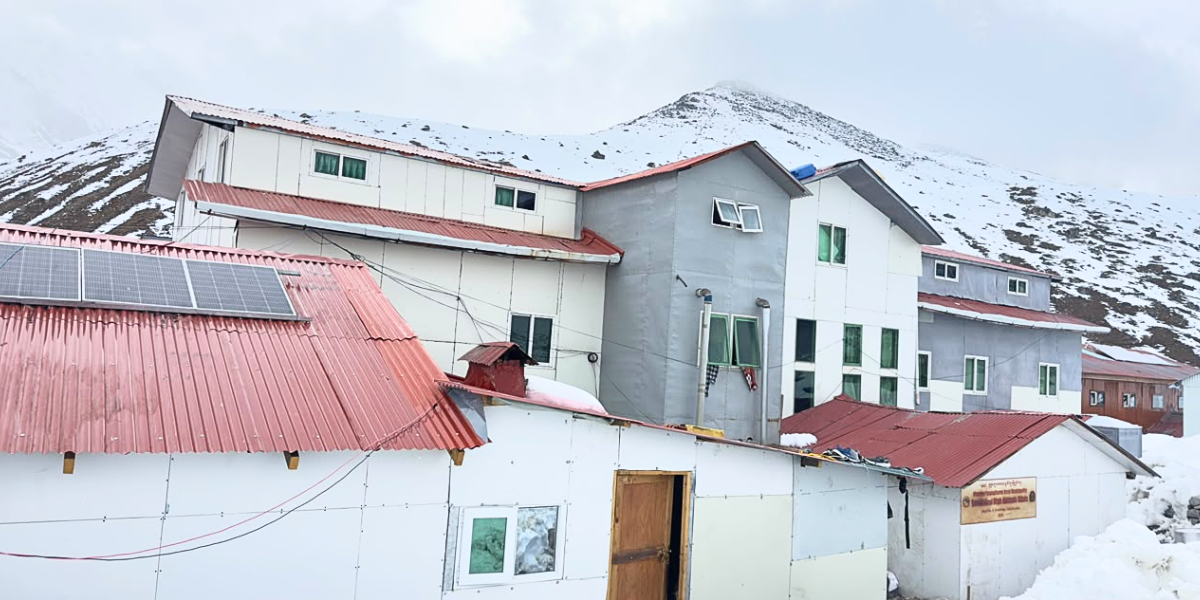
Gorak Shep, at approximately 5,164 metres, is the highest settlement on the Everest Base Camp trail. It is the final overnight stop for many trekkers before visiting Everest Base Camp and Kala Patthar. At this altitude, breathing becomes harder, temperatures are freezing and even short walks can feel exhausting. We have visited local medical facilities in Gorak Shep with our trekking clients and have genuine photographs from these experiences. Medical facilities and staffing can vary, so trekkers should never assume that a doctor or fully equipped clinic will always be available.
2. Real Medical Clinics, Doctors and Nurses
At Take On Nepal, we believe it is important to show our customers real experiences rather than simply talk about safety. During our Everest Base Camp adventures, we have helped clients access local medical facilities when they have felt unwell or needed a medical check-up. Our photographs show local clinic buildings, medical professionals and Take On Nepal clients receiving medical attention in the Khumbu region. Depending on the facility, a medical assessment may include:
Checking oxygen saturation levels.
Measuring pulse and other vital signs.
Checking body temperature.
Assessing headaches, dizziness and nausea.
Checking breathing difficulties.
Providing medical advice and treatment where available.
A pulse oximeter reading alone cannot determine whether someone is safe to continue trekking. Symptoms and a proper medical assessment are also important.
3. What Happens If You Develop Altitude Sickness?
Altitude sickness is one of the biggest health concerns during the Everest Base Camp trek.
Common symptoms include:
Persistent headache.
Nausea or vomiting.
Loss of appetite.
Dizziness.
Unusual tiredness or weakness.
Difficulty sleeping.
More serious warning signs include difficulty breathing at rest, confusion, unusual behaviour and loss of coordination or difficulty walking. These symptoms can indicate serious altitude-related illness and require urgent medical attention. If serious altitude sickness is suspected, continuing higher is not safe. The trekker needs urgent medical assessment and may need to descend to a lower altitude. At Take On Nepal, we never encourage clients to push themselves when they are unwell.
Your health and safety are more important than reaching Everest Base Camp.
4. How Emergency Helicopter Rescue Works
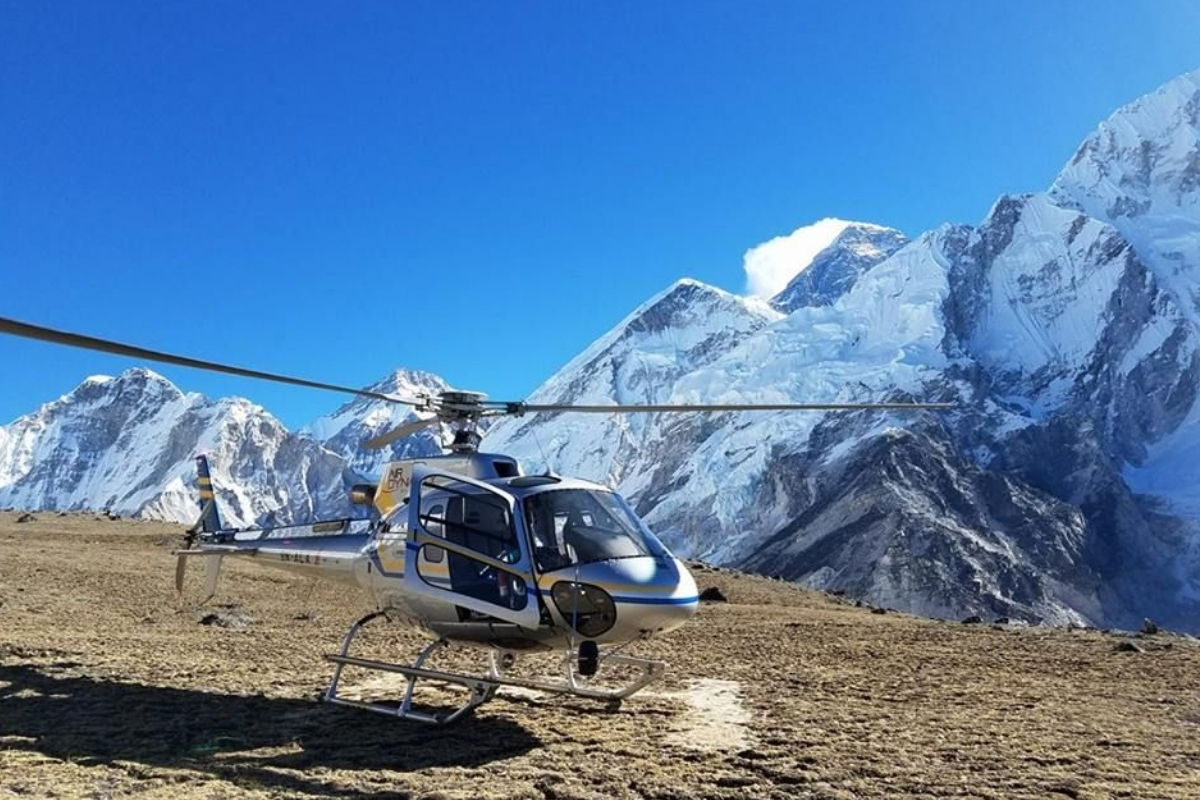
Not every headache or mild illness requires a helicopter rescue. The first priority is to assess the situation and seek medical advice. However, if someone develops serious altitude sickness, severe breathing difficulties or an injury that makes walking unsafe, emergency helicopter evacuation may be necessary. Depending on the circumstances, the process generally involves:
Step 1 – Assess the situation
Our guide checks the trekker's symptoms and general condition and determines whether immediate medical assistance is needed.
Step 2 – Seek medical advice
Where possible, we contact a local medical professional or clinic for advice.
Step 3 – Contact rescue services
If evacuation is medically necessary, we help coordinate with an appropriate helicopter rescue provider and, where required, the trekker's insurance company.
Step 4 – Organise the evacuation
We assist with communication, the trekker's location, medical information and payment or insurance arrangements.
Step 5 – Transfer for medical treatment
Depending on the medical situation, weather and available facilities, the helicopter may transport the trekker to a lower-altitude location or a hospital.
Helicopter rescues depend on weather, visibility, landing conditions and aircraft availability. They cannot always happen immediately.
We work to organise the safest available option.
5. What If a Helicopter Cannot Reach You?
The Everest region is a remote mountain environment. Weather can change quickly, and strong winds, clouds or poor visibility can prevent helicopters from flying.
If a helicopter cannot reach someone, other arrangements may be necessary.
Depending on the medical condition and advice available, this could involve:
Seeking local medical assistance.
Arranging additional experienced support staff.
Organising additional porters to help with a descent when appropriate.
Moving towards a lower altitude with suitable medical support.
Arranging further medical assessment and transport when possible.
For serious altitude sickness, descent can be life-saving. However, a seriously ill person should not be moved without appropriate medical assessment and support.
Our priority is always to arrange the safest possible response.
6. Medical Costs and Travel Insurance
Medical treatment in remote Himalayan communities can be expensive. Medical equipment, medicines and supplies are difficult to transport into these mountain villages.
We recommend carrying additional Nepalese rupees in cash for unexpected medical expenses. Do not rely entirely on credit cards or electronic payments.
Before starting your trek, make sure you understand your travel insurance policy.
Your insurance should specifically cover:
High-altitude trekking to at least 5,500 metres.
Acute mountain sickness and other altitude-related illnesses.
Emergency helicopter evacuation.
Medical treatment and hospital admission.
Emergency transportation and repatriation, if required.
Do not assume ordinary travel insurance automatically covers Everest Base Camp trekking.
Keep your insurance details and emergency contact number accessible throughout the trek.
Important: Some insurance companies require approval before an emergency evacuation is arranged. Where possible, contact your insurer or assistance provider before agreeing to a helicopter evacuation. In a life-threatening emergency, medical care must not be delayed while waiting for insurance approval.
You may need to pay for medical consultations, medication or treatment yourself and claim reimbursement later. Always check your policy for payment requirements and exclusions.
7. How Take On Nepal Looks After You
At Take On Nepal, a successful Everest Base Camp trek is not simply about reaching the destination. It is about looking after our people throughout the journey.
Our experienced local guides know the Everest region, its villages, trails and the challenges of trekking at high altitude.
Our approach includes:
Monitoring how clients are feeling throughout the trek.
Following a suitable acclimatisation schedule.
Recognising possible altitude sickness symptoms.
Encouraging clients to report health concerns early.
Helping arrange medical assessments where available.
Communicating with medical professionals when necessary.
Coordinating emergency evacuation arrangements when required.
Organising additional local support for a safe descent.
Everyone responds differently to altitude. A very fit person can develop altitude sickness, while someone with less trekking experience may adjust well.
There is no shame in turning around, descending or missing the destination because of a medical concern.
8. Our Advice Before Starting Your Everest Base Camp Trek
Before travelling to Nepal, we recommend that every trekker:
Have a medical check-up with their doctor.
Purchase suitable high-altitude trekking and evacuation insurance.
Bring personal prescription medication and a small medical kit.
Carry extra cash for unexpected expenses.
Follow the recommended acclimatisation schedule.
Drink sufficient clean water and eat regularly.
Tell your guide immediately if you feel unwell.
Never ignore worsening headaches, nausea or breathing difficulties.
Listen to your guide and medical professionals.
Never feel pressured to continue trekking if you are medically unwell.
Remember, reaching Everest Base Camp is an amazing achievement, but returning home safely is the most important part of the adventure.
Final Thoughts from Som Tamang
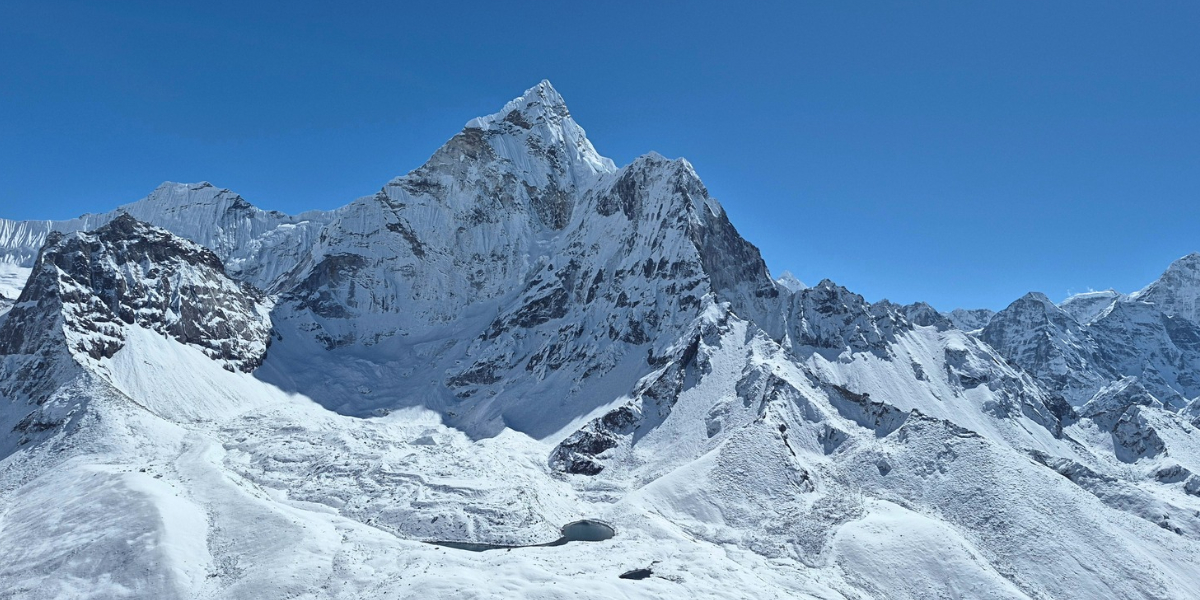
I have spent many years organising trekking adventures in the Himalayas, and I understand how special reaching Everest Base Camp is for our clients. I also know that the mountains are unpredictable. Weather changes, altitude sickness can develop, and unexpected medical situations can happen, even to experienced trekkers. That is why we place so much importance on experienced local guides, proper acclimatisation, medical awareness and emergency planning. We want you to enjoy the incredible beauty of the Himalayas while knowing that your wellbeing is taken seriously. Our responsibility is not simply to guide you to Everest Base Camp. It is to look after you along the way.
Take On Nepal – Experience the Himalayas with experienced local guides, personal care and safety at heart.