Live trek update from Take On Nepal guide Kumar Tamang | Everest region, Nepal
Our guide Kumar Tamang is in Dingboche (4,410 m) right now, on day 7 of a winter Everest Base Camp trek with a mother and her 18-year-old son from Australia. They have just finished their acclimatization day, and Kumar says it was one of the most spectacular days he has had in the mountains with very friendly and strong trekking clients.
Day 7: Acclimatization Day in Dingboche
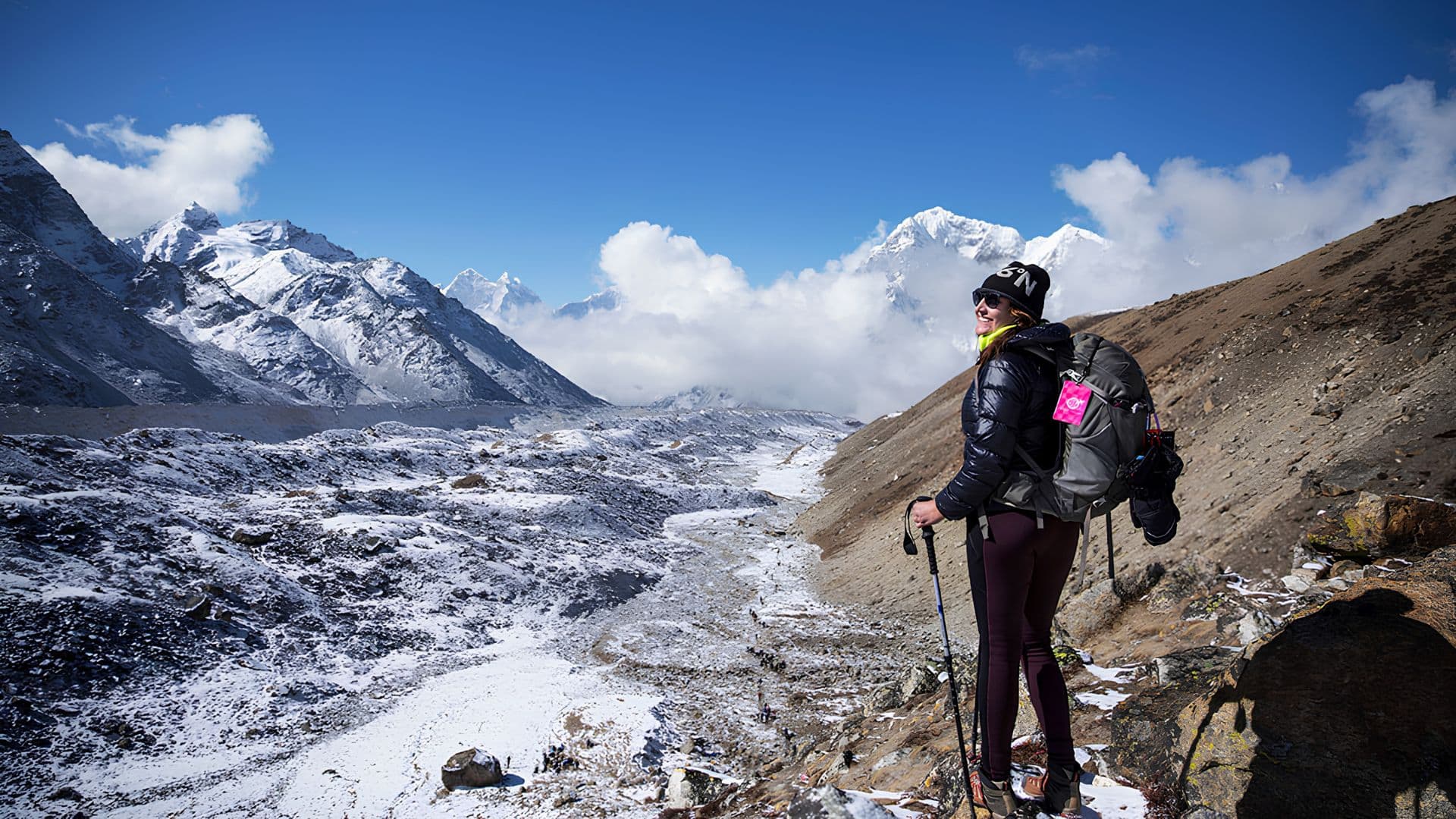
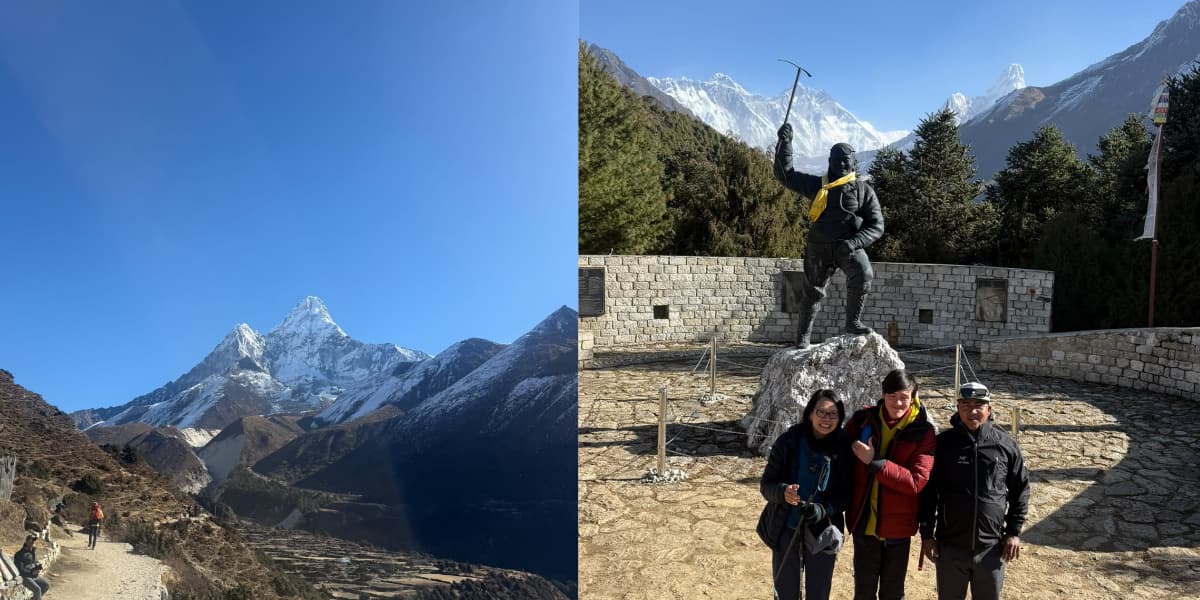
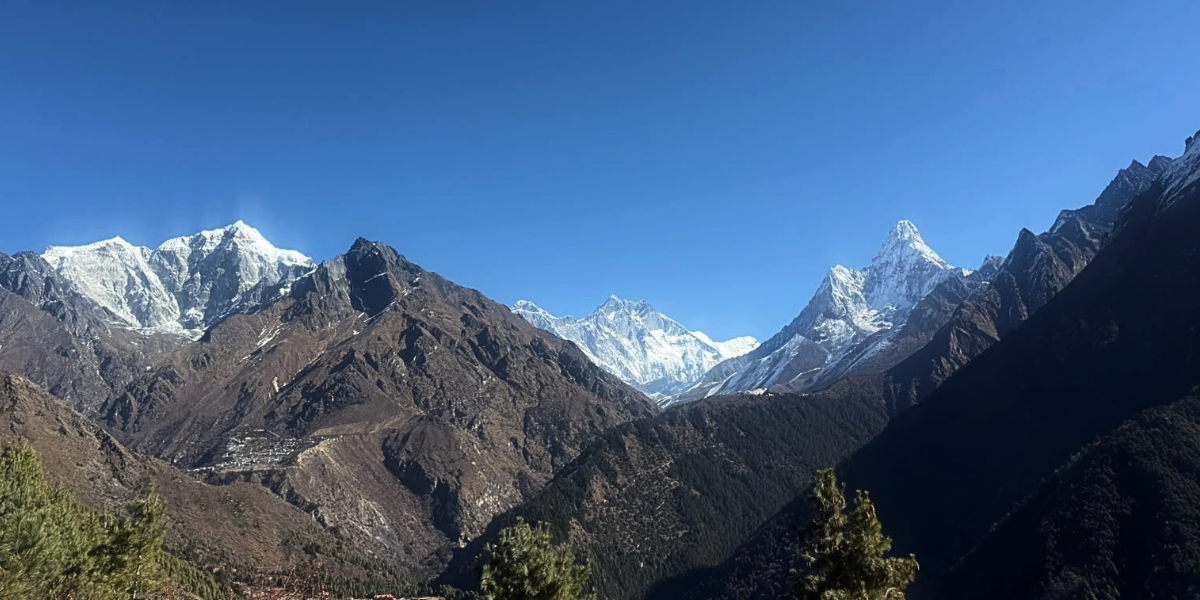
Not a single cloud. Deep blue sky, bright winter sunshine, and a perfect blanket of snow on Ama Dablam and every peak around Dingboche. A heavy snowfall in October, just a few weeks ago, left the mountains and even the trail covered in fresh white snow. The views have been incredible every single day.
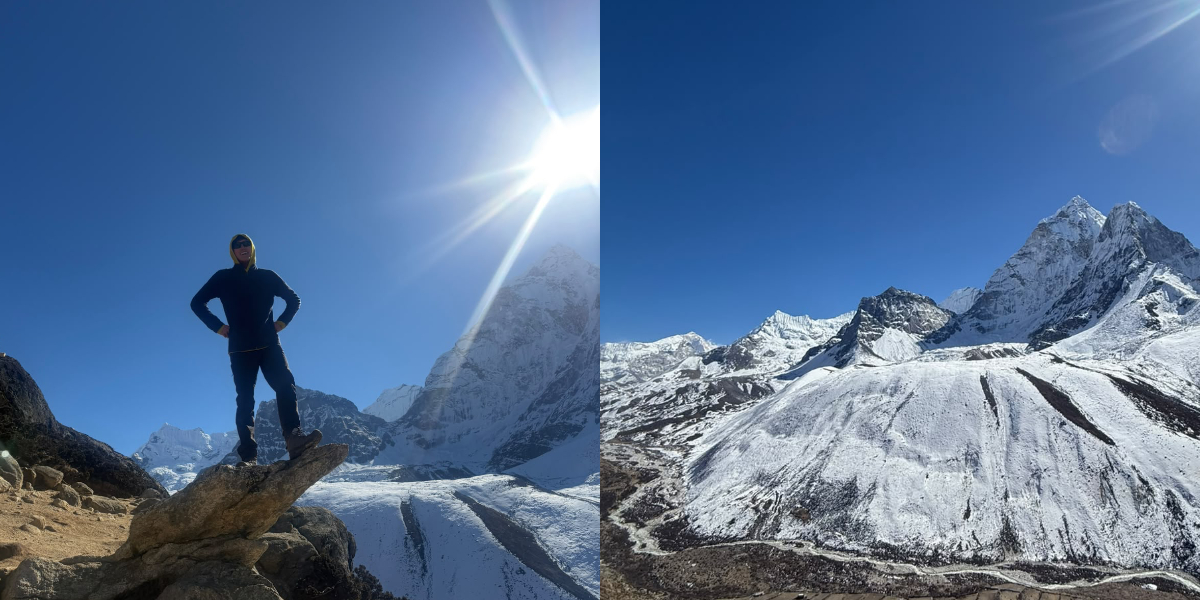
Ama Dablam covered in snow above Dingboche, Everest Base Camp winter trek
“Like Stepping Out of the Real World”
“I feel like I have stepped out of my real world. It feels different, like another planet.” — Kumar Tamang, Everest trekking guide
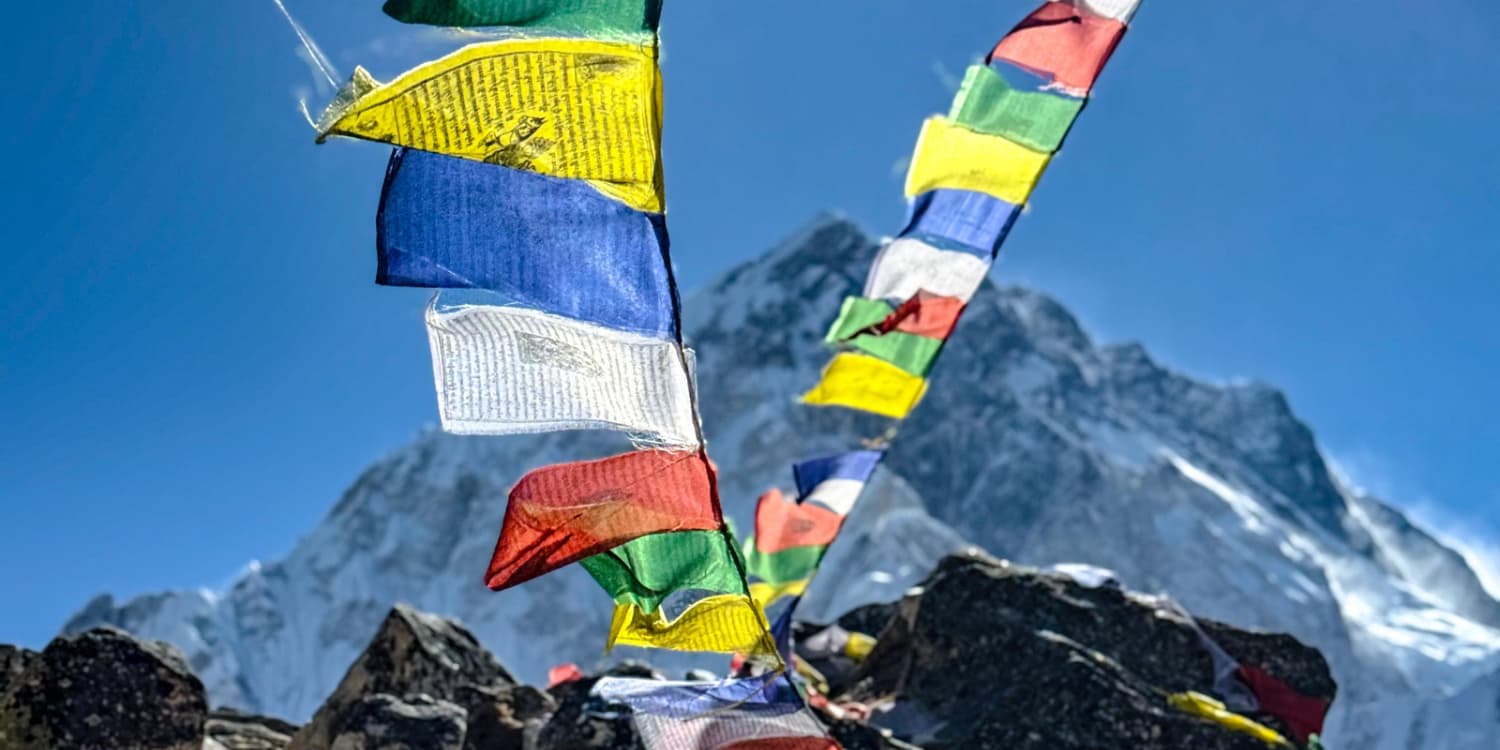
Clear blue skies, snowy peaks and a deep mountain silence: that is what winter in the Khumbu feels like.
A Mother, an 18-Year-Old and a Guide Saying “Slow Down”
Kumar’s young client has just finished high school in Australia, and he chose to celebrate by trekking to Everest Base Camp with his mum. What an extraordinary way to start adult life. Kumar says they are wonderful to guide, and very fast. The son practically runs up the trail, his mother works hard to keep up, and Kumar’s main job is slowing them both down.
As an experienced guide, Kumar knows that walking fast and pushing hard at altitude raises the risk of altitude sickness. His advice to every trekker:
• Go steady. A slow, even pace helps your body adjust to the altitude.
• Keep drinking. Kumar reminds his clients to drink water all day long.
• Eat well. Good meals give you energy for the high days ahead.
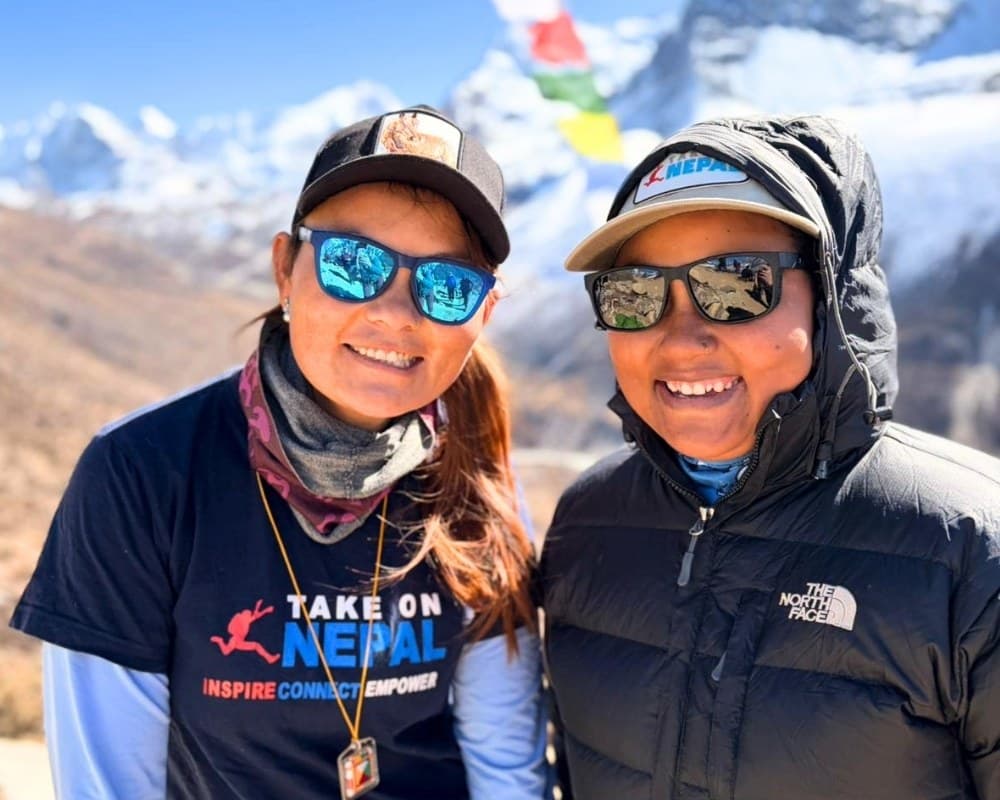
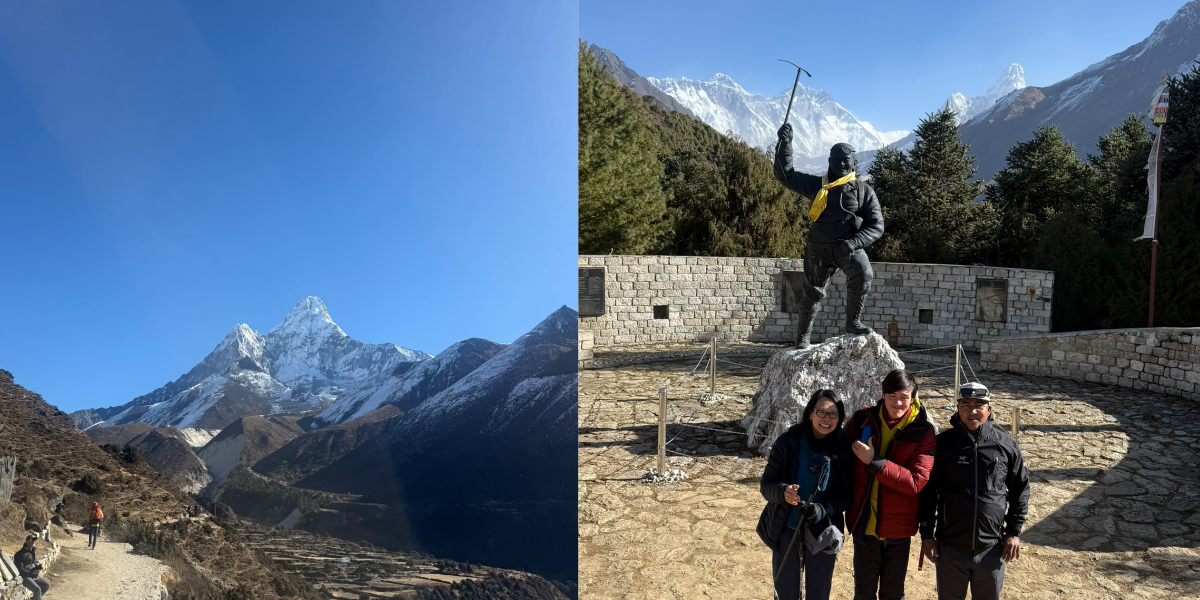
Guide Kumar Tamang with Client in Dingboche
Why Kumar Loves Winter Trekking to Everest Base Camp
Kumar leads winter treks again and again. Here is why he believes winter is one of the best times to trek in the Himalayas:
• Clear views every day. Winter skies are usually crisp and cloud-free, with sunshine on the high peaks.
• Snow on the mountains and the trail. You can almost count on seeing snow, and walking on it.
• Quiet, peaceful trails. In busy seasons you pass long trains of expedition yaks, donkeys and horses. On this trek, Kumar has passed almost none.
• Quiet tea houses. Choose your bedroom, choose your table, order anything on the menu, and get your food without a long wait.
• Fewer flight problems. With stable, clear weather, Lukla flights are usually more reliable in winter than in the cloudier seasons.
The Only Downside: The Cold
Yes, it is colder, especially at night and early in the morning. But with good layers, a warm sleeping bag and a guide who knows the conditions, the cold is easy to manage. The reward is the Himalayas at their quietest and most beautiful.
Tomorrow: Dingboche to Lobuche via Thukla Pass
Day 8 is the trek from Dingboche to Lobuche (4,940 m), one of the most challenging days of the trip. The trail climbs through Thukla and over the Thukla Pass, with views of Lobuche Peak and stunning scenery all the way. Most people first notice the altitude in Dingboche, but from tomorrow everyone will feel it. Kumar will keep the pace steady and the water bottles full.
Trek Everest Base Camp or Gokyo Lakes with Take On Nepal
Dreaming of the Himalayas? Join Take On Nepal on the Everest Base Camp trek or the Everest Base Camp and Gokyo Lakes trek, guided by experienced local guides like Kumar who put your safety first. Ask us about winter departures for quiet trails, clear skies and snowy peaks.
Quick FAQ
Is winter a good time to trek to Everest Base Camp? Yes. Winter (December to February) brings clear skies, quiet trails and empty tea houses. The trade-off is colder temperatures.
What is the hardest part of the EBC trek? Most trekkers find the days above Dingboche hardest, including Dingboche to Lobuche via Thukla Pass, because of the altitude.
How do you avoid altitude sickness? Walk slowly, drink plenty of water, eat well, take your acclimatization days and follow your guide’s advice.