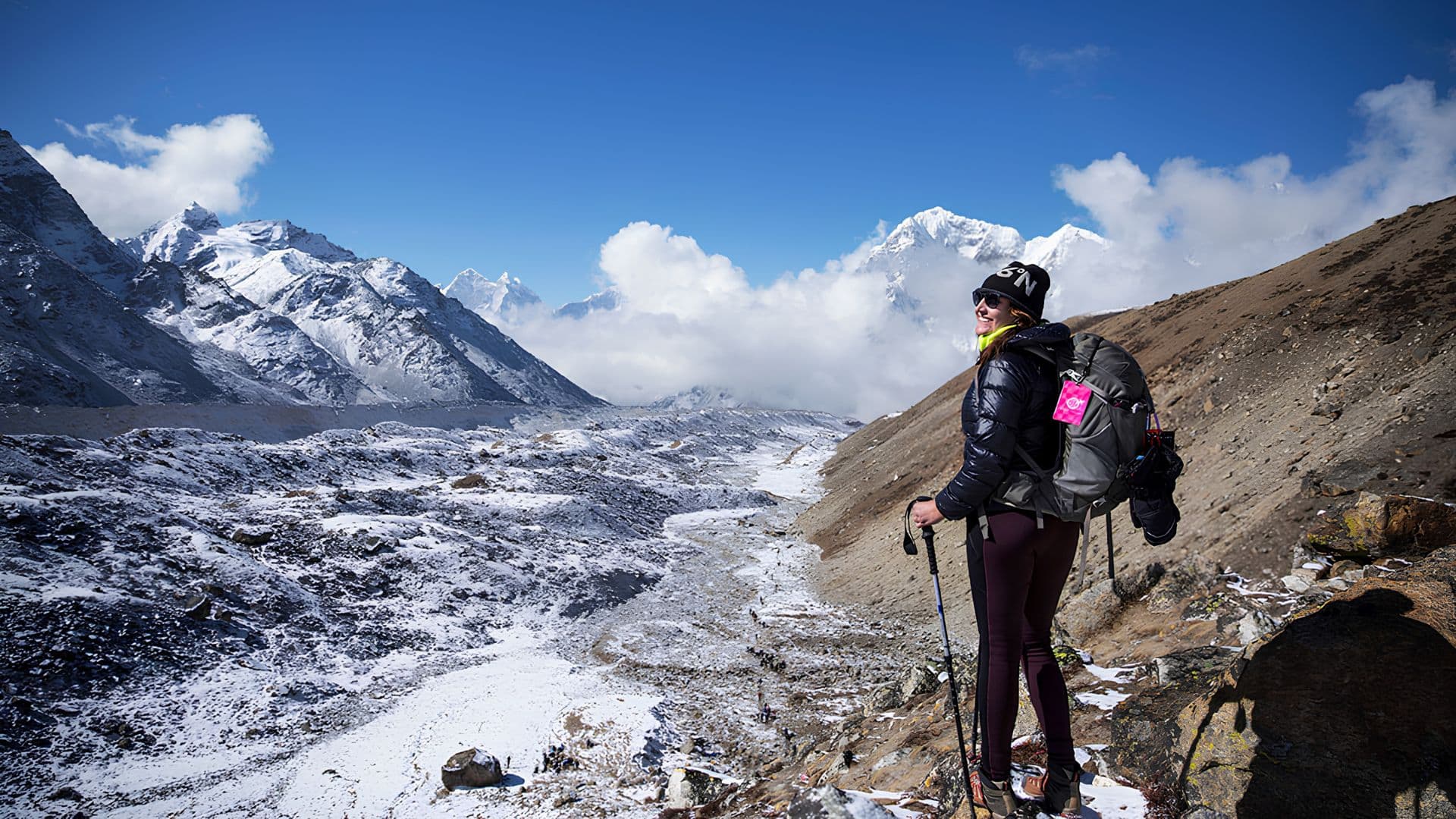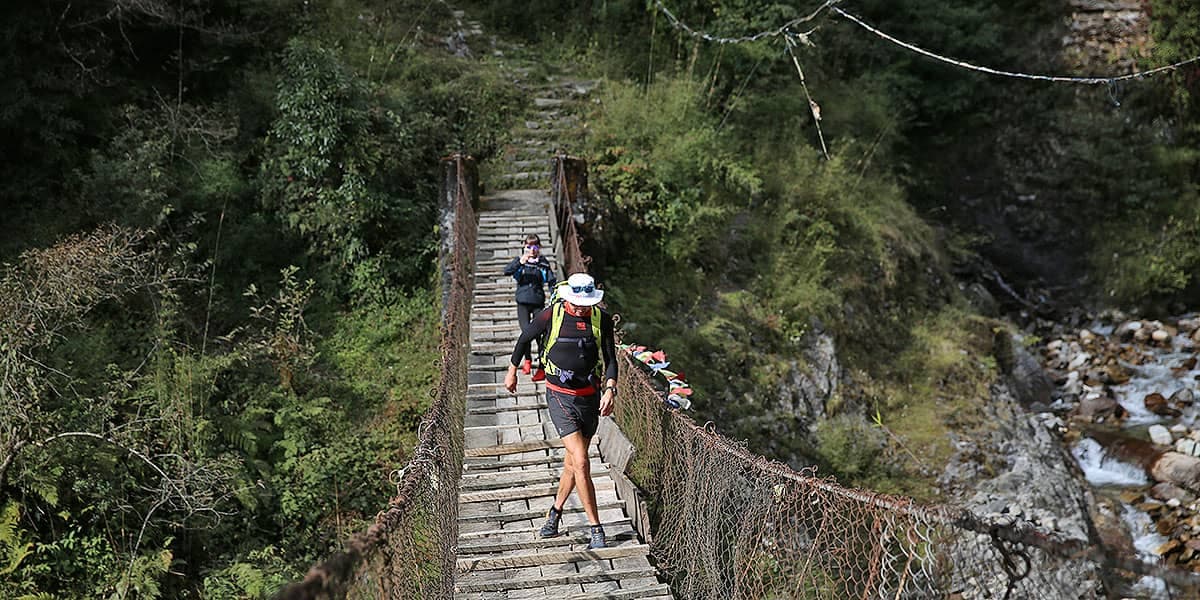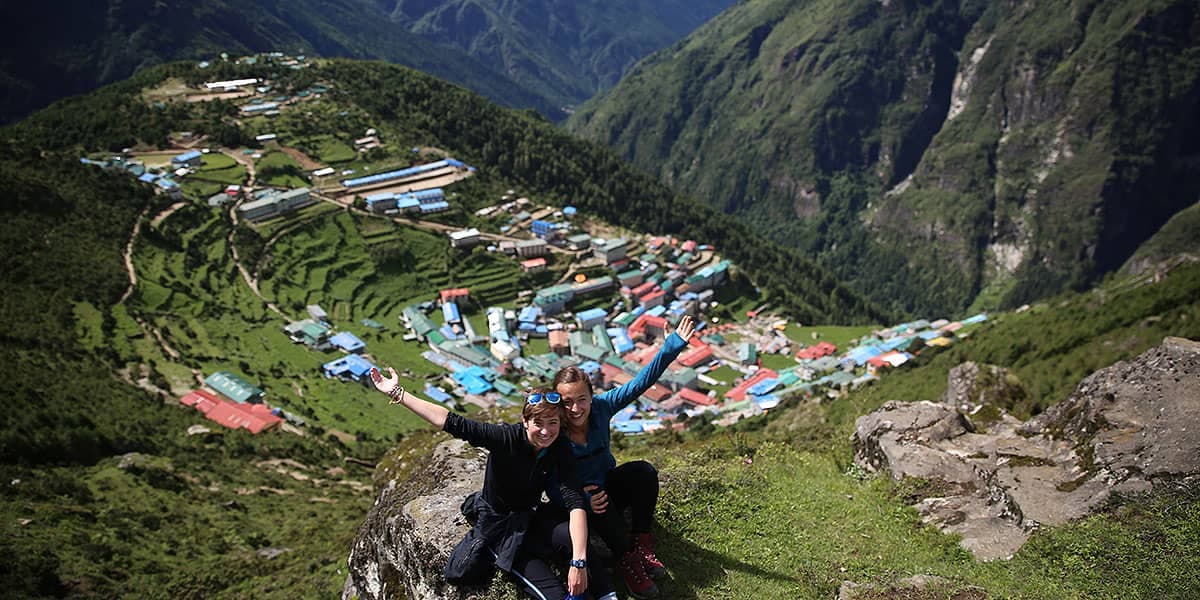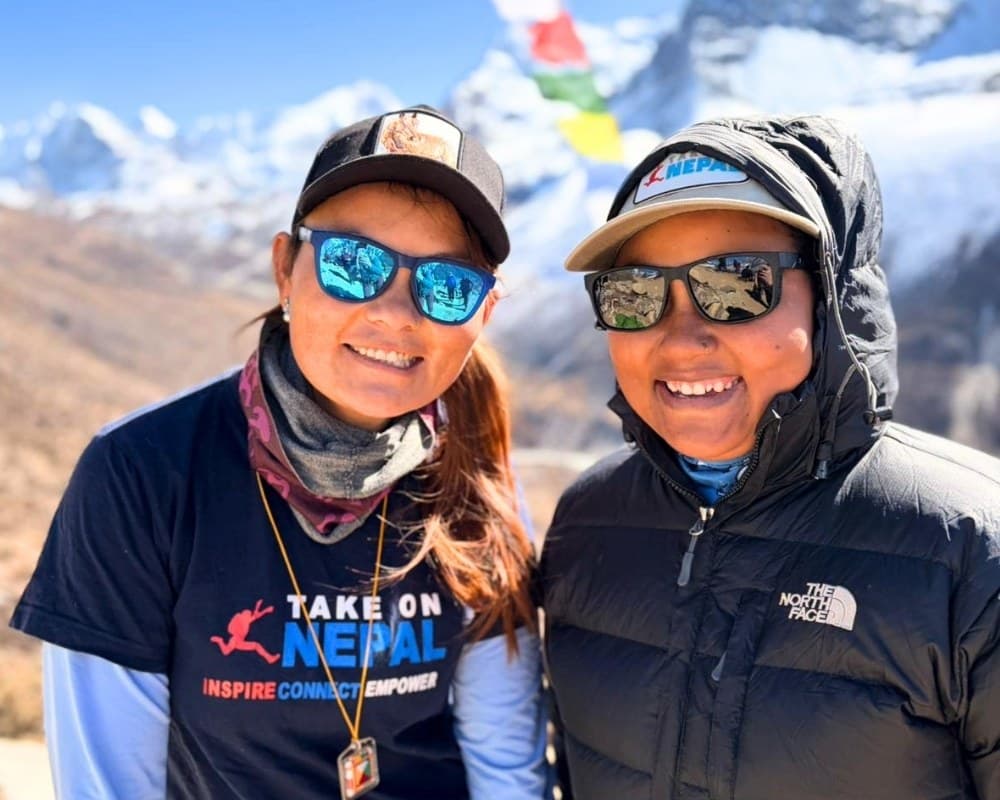
Trekking to Everest Base Camp (5,364 m) or Annapurna Base Camp (4,130 m) is a once-in-a-lifetime goal. At high altitude, illness can affect anyone, even fit and experienced hikers. As an Australian-based trekking company, Take On Nepal believes you deserve honest answers before you book. Here are the five safety questions we are asked most.
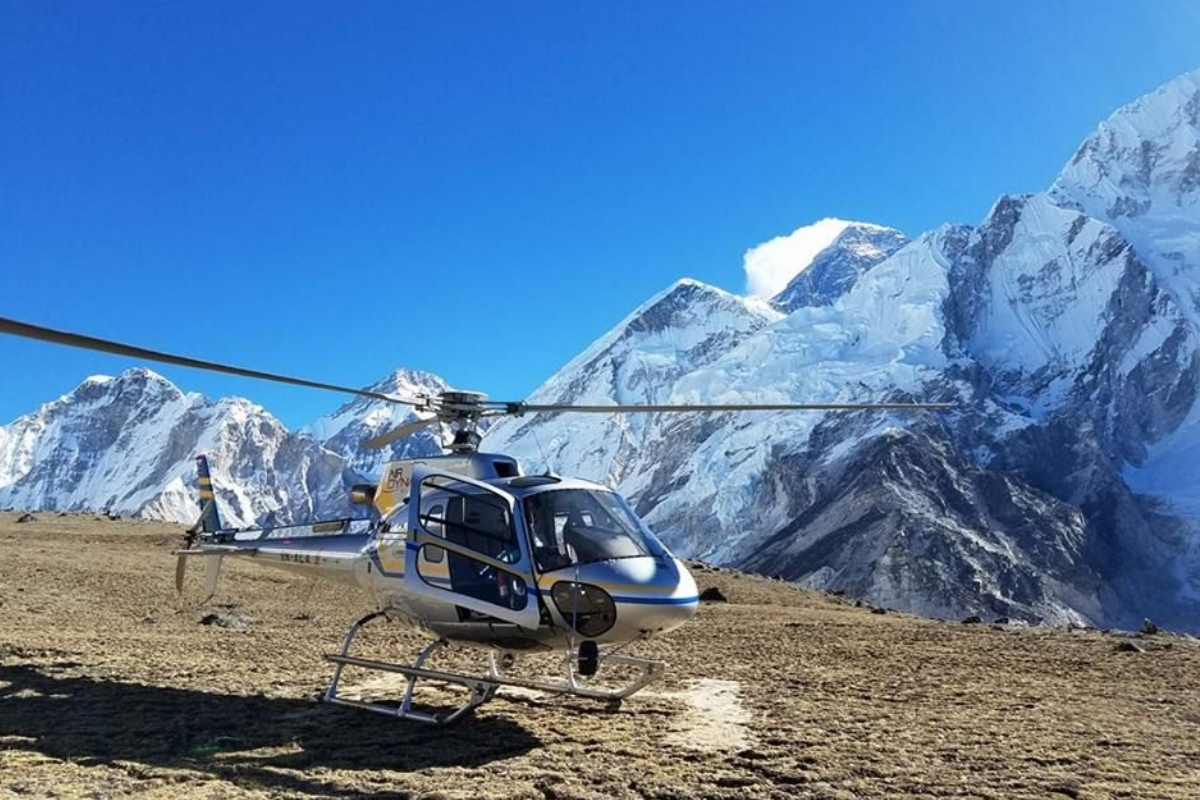
1. Who arranges and pays for a helicopter evacuation?
Take On Nepal does not cover helicopter rescue costs for clients. Your travel insurance does. Insurance is a condition of booking, and your policy must include:
• Trekking above 5,000 metres. Check the maximum altitude, as Kala Patthar on the Everest trek reaches 5,545 m.
• Emergency helicopter rescue, evacuation and medical treatment, including international repatriation.
• Trip cancellation, interruption, loss and damage, in case illness or unforeseen events stop you finishing your trek.
This applies to Everest Base Camp, the Everest High Passes, Annapurna Base Camp, Thorong La Pass and Manaslu’s Larkya La Pass. In an emergency, our guide calls the helicopter through our local heli-service partners, and your insurer pays.
Our guides and porters are covered by staff work insurance. As members of the Trekking Agencies’ Association of Nepal (TAAN), we arrange and pay for their helicopter evacuation if needed.
2. Do guides carry oxygen, a pulse oximeter and a first aid kit?
Oxygen
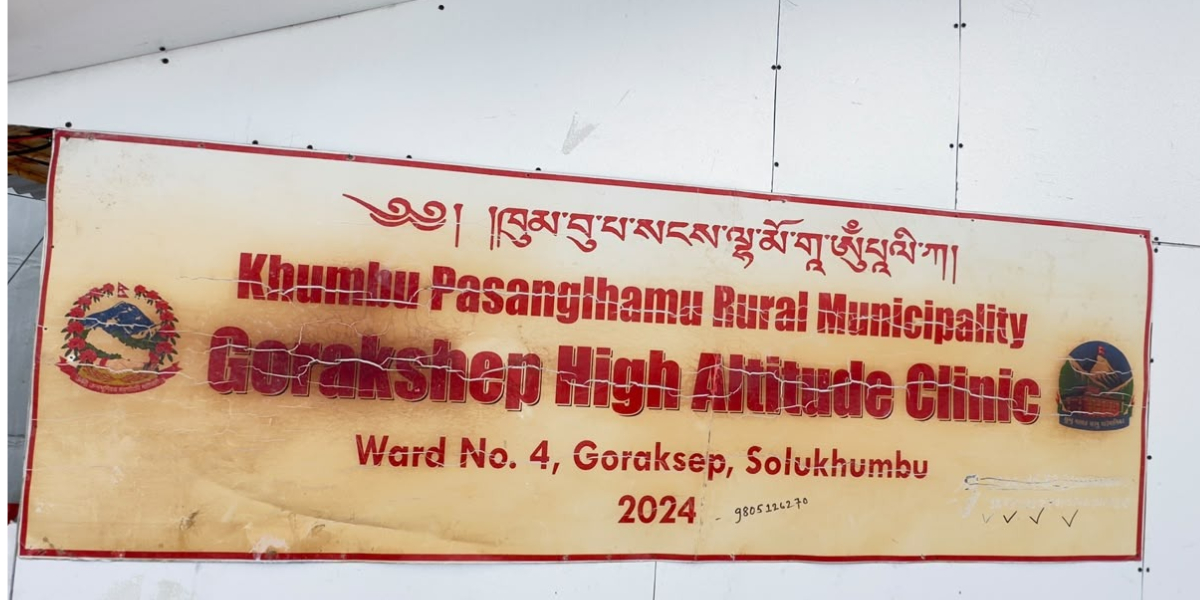
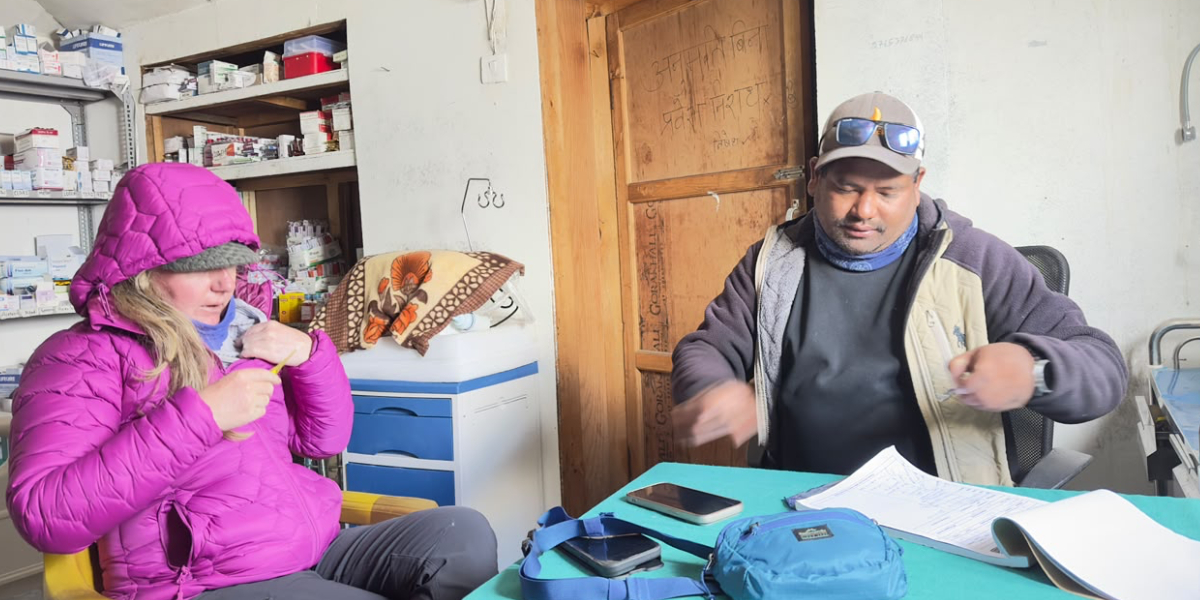
No. Oxygen bottles are too heavy and bulky to carry on the trail. Instead, we book teahouses that keep oxygen all year at high stops such as Lobuche and Gorak Shep. Most villages on the Everest route also have health posts with oxygen. If you want private group and you request to have oxygen tank for your group to feel safe we can organise that with your own cost which is additional cost please contact us if you wanna talk about that and if you have a inquiries Take On Nepal it is all about making it possible but safely.
Oxygen and treatment are not free. Health posts do not process insurance claims, so carry enough cash to pay on the spot, keep your receipts, and claim the money back from your insurer later.
Pulse oximeter
Yes. Our guides carry one, but we don’t take readings routinely, because constant checks can cause worry and panic. We check when you feel unwell, when your guide notices symptoms, or whenever you ask.
First aid kit
Yes, a basic kit. Our guides are not doctors or pharmacists, so please tell us before your trek about any pre-existing medical conditions, allergies, dietary needs or medications. If you have a medical condition, we may ask for a letter from your doctor confirming you are fit to trek.
Daily health checks
Yes. Our guides are trained to spot the early signs of altitude sickness and check on every trekker daily. Please be honest about how you feel. On the trail we are one family, and we can only help if we know.
3. What is your guide-to-client ratio?
• Women-only groups: led by experienced Western leaders and Australian or American women leaders, with up to 20 trekkers, supported by local Nepali guides.
• Locally led groups: no more than 10 clients, with 1 lead guide, 1 assistant guide, 1 porter leader and at least 5 porters.
The assistant guide means one guide can stay with a sick trekker while the group continues safely. Enough porters means no one carries an unsafe load.
4. What qualifications do your guides hold?
• At least 5 years’ guiding experience, and many have more than 10.
• Licensed trekking guides, trained and registered by the Government of Nepal, including wilderness first aid training.
• Refresher training in high-altitude illness and first aid every one to two years.
Many of our porters are also educated and speak English, giving extra support in an emergency.
5. What happens if a trekker becomes unwell or is underprepared?
We have a contingency plan and spare staff on every trek. Depending on the situation, we will:
1. Rest and monitor where you are.
2. Descend to a lower altitude, the most effective treatment for altitude sickness.
3. Evacuate by helicopter if your condition is serious, paid for by your travel insurance.
Once you recover, you can often rejoin your group or finish the trek with your own guide or porter.
That’s why we ask clients to arrive in Kathmandu at least one day early and leave a couple of spare days at the end. Illness, Lukla flight delays and mountain weather can change plans. Any extra days are at your own cost.
Trek safely, trek confidently
Buy the right insurance, carry some cash, tell us about your health, allow spare days and be honest with your guide. Contact Take On Nepal to plan your Everest or Annapurna Base Camp trek safely.