By Take on Nepal | Everest Region Trekking Guide
Ask any experienced Himalayan guide which village matters most on the trail to Everest Base Camp, and many will say Dingboche.
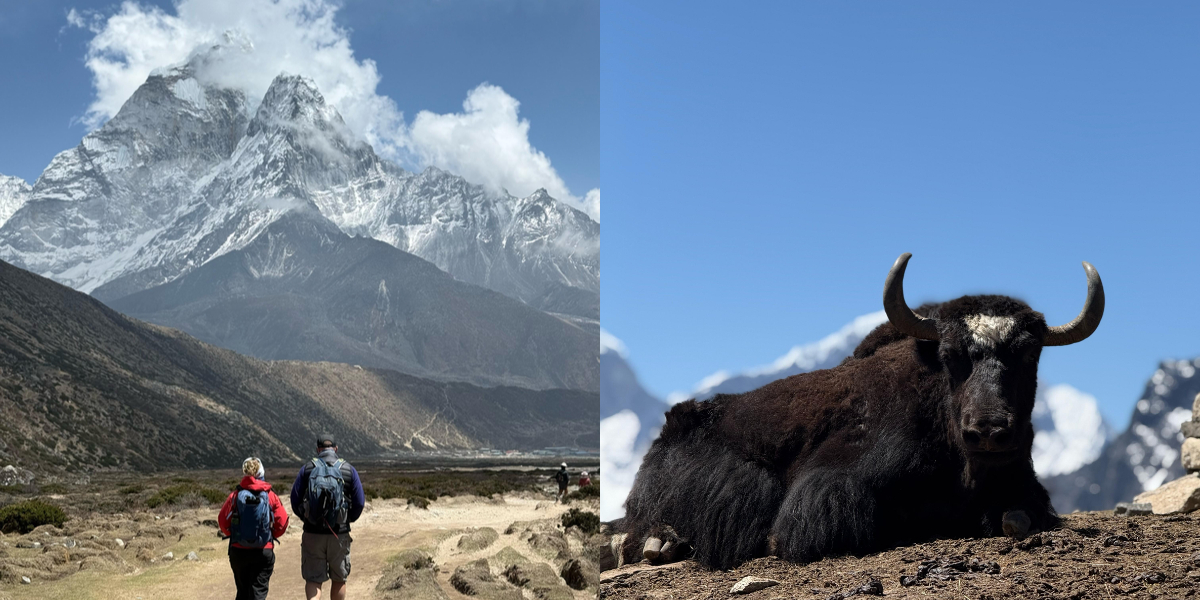
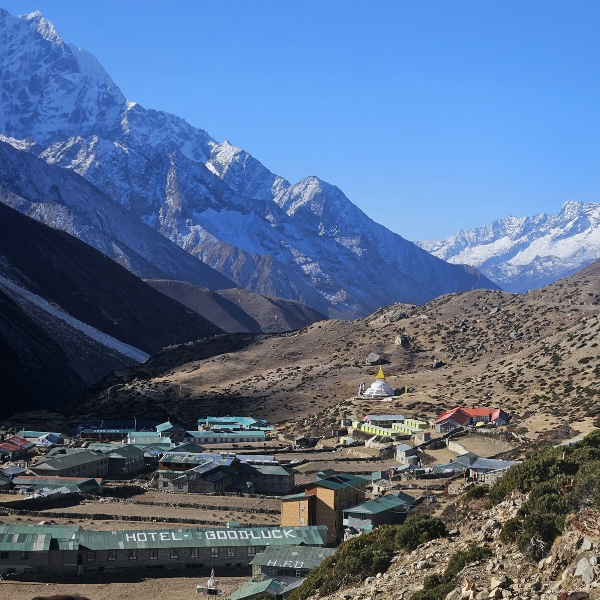
Namche Bazaar gets the fame and Everest Base Camp gets the photos. But Dingboche, at 4,410 metres, is where your body gets ready for everything above it. It sits in a broad, sunny bowl beneath Ama Dablam. It is a working Sherpa village of stone-walled potato fields, grazing yaks and prayer flags, and it also has espresso bars, bakeries and movie nights. This is where the trek gets serious.
Take on Nepal has guided trekkers and climbers through Dingboche on Everest Base Camp treks, Gokyo Lakes circuits, the Three High Passes, the Three Peaks, and Island Peak and Lobuche East climbs. Here is everything you need to know.
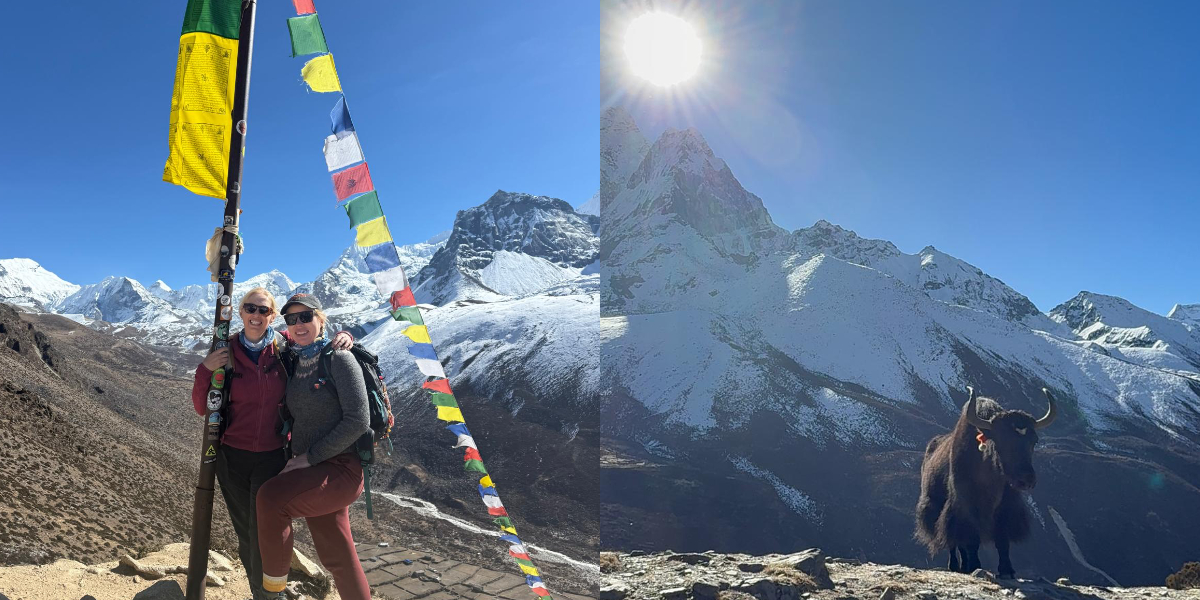
Dingboche Altitude: Where You Will Really Feel It. Up to Namche and Tengboche, most people only feel short of breath on the hills. At 4,410 metres (14,470 ft) it is different. Each breath holds roughly 40% less oxygen than at sea level. Almost every trekker notices it from here, whether they are a marathon runner or a first-time hiker.
Normal signs your body is adjusting:
Breathlessness, even when walking slowly or climbing the lodge stairs
A mild headache, especially on the first afternoon and evening
Broken or restless sleep
Less appetite than usual
Tiring more quickly than you expect
These signs do not mean you are failing. They are why you rest here for two nights.
Tell your guide straight away if you have: a headache that gets worse and does not ease with rest or water, vomiting, severe dizziness, loss of coordination, confusion, or breathlessness while resting. These can be signs of Acute Mountain Sickness (AMS) or something more serious, and the safest treatment is to go down. Our guides check on every trekker every day.
Why Two Nights in Dingboche Is Non-Negotiable
Because this is where altitude really starts to bite, nearly every reputable trekking company builds in two nights in Dingboche. The reason is the golden rule of mountain medicine: climb high, sleep low. A day hike to a higher point pushes your body to adapt, for example by making more red blood cells and changing how you breathe. Sleeping lower lets you recover overnight.
Take on Nepal acclimatisation guidelines:
Above 3,000 m, raise your sleeping altitude by no more than 300–500 m a day.
Take a rest or acclimatisation day for roughly every 1,000 m you gain.
Drink 3–4 litres of water a day and eat well. Dal bhat really is trekking fuel.
Avoid alcohol at altitude.
Walk slowly. Your guide’s pace is deliberate.
Everest Base Camp Trek Altitude Profile
Day | Location | Altitude |
|---|---|---|
1 | Lukla → Phakding | 2,860 m → 2,610 m |
2 | Namche Bazaar | 3,440 m |
3 | Namche acclimatisation day | up to 3,880 m |
4 | Tengboche | 3,867 m |
5 | Dingboche | 4,410 m |
6 | Dingboche acclimatisation day (Nangkartshang hike) | up to 5,083 m |
7 | Lobuche | 4,940 m |
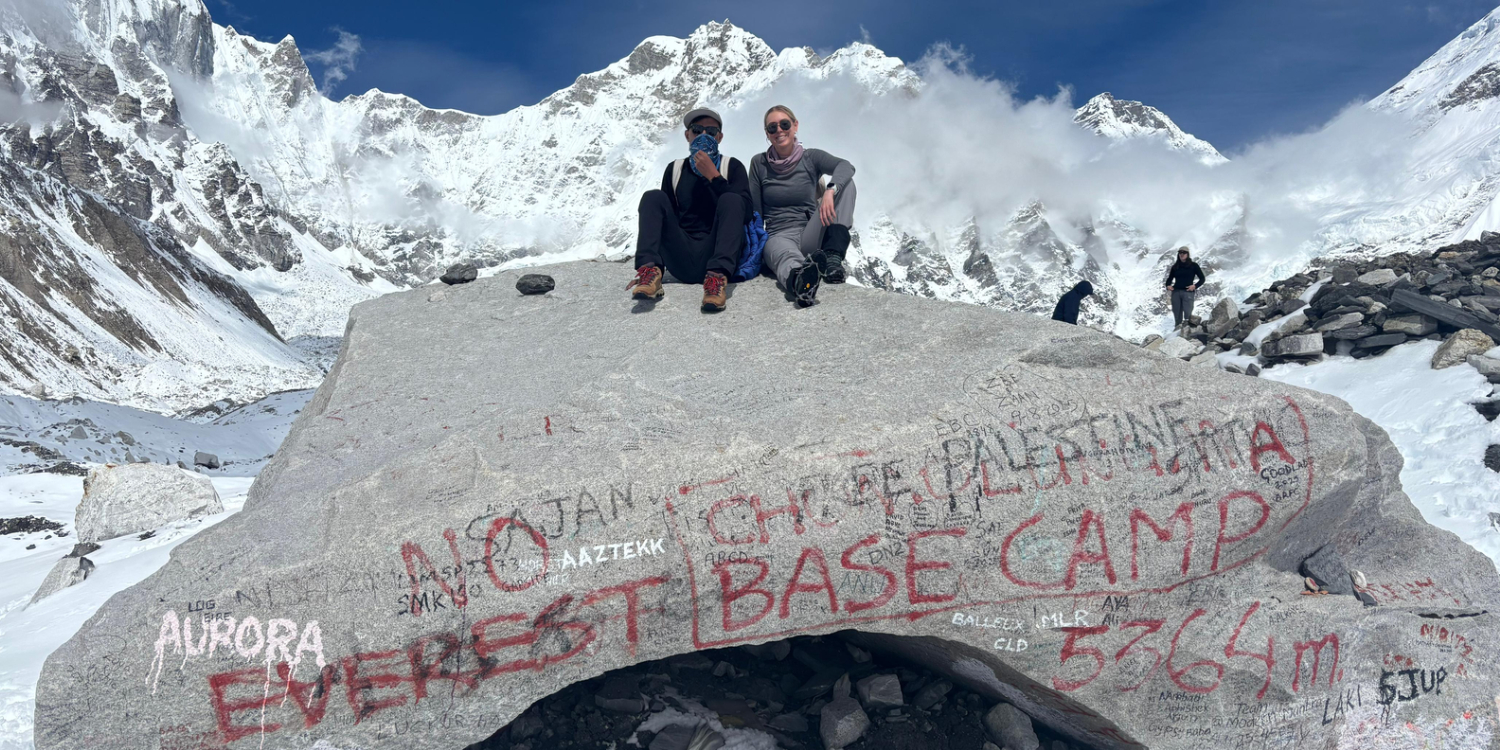
8 | Gorak Shep → Everest Base Camp | 5,164 m → 5,364 m |
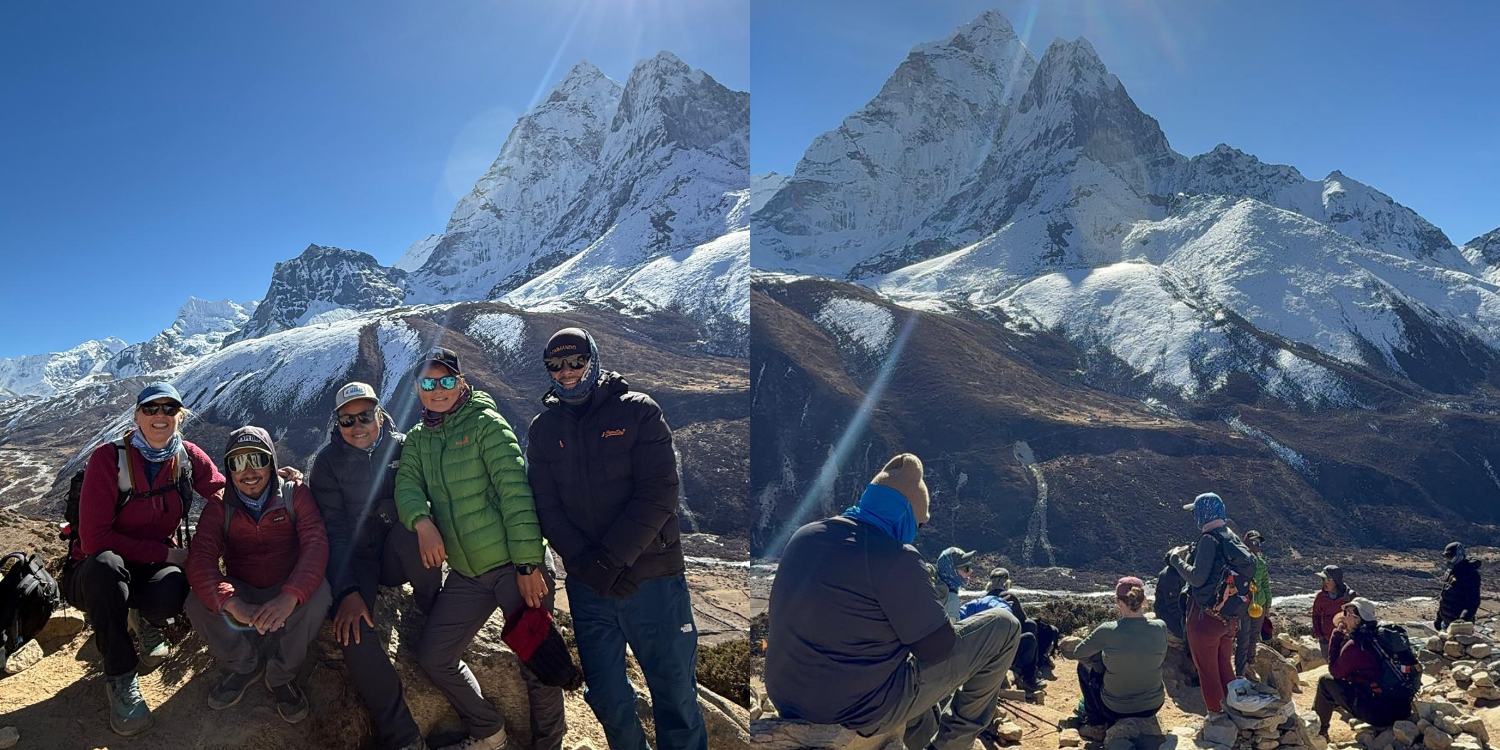
On Day 6 you climb about 670 metres above Dingboche, then sleep back at 4,410 m. That one day prepares you for Lobuche, Gorak Shep, Kala Patthar and Base Camp. Nangkartshang Peak Hike: The Classic Dingboche Acclimatisation Day
The ridge behind Dingboche leads to Nangkartshang Peak (also written Nangkar Tshang or Nagarjun). It is one of the best acclimatisation hikes in Nepal.
Viewpoint: approx. 5,083 m
Elevation gain: approx. 670 m
Time: 4–6 hours return
Difficulty: moderate to strenuous, a steady climb on a well-worn, non-technical path
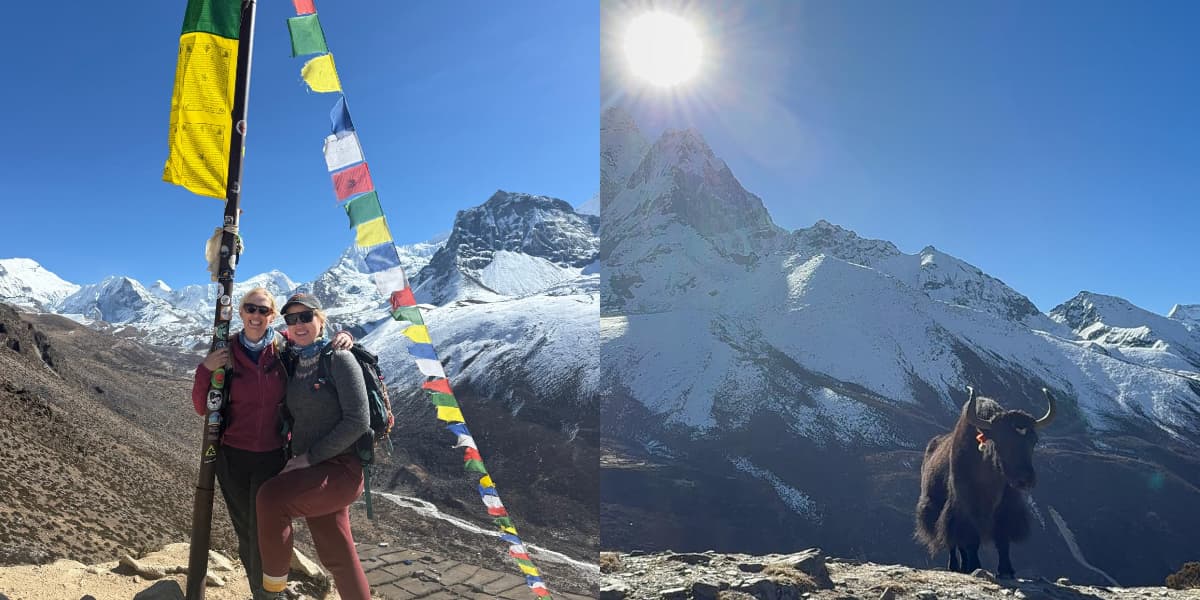
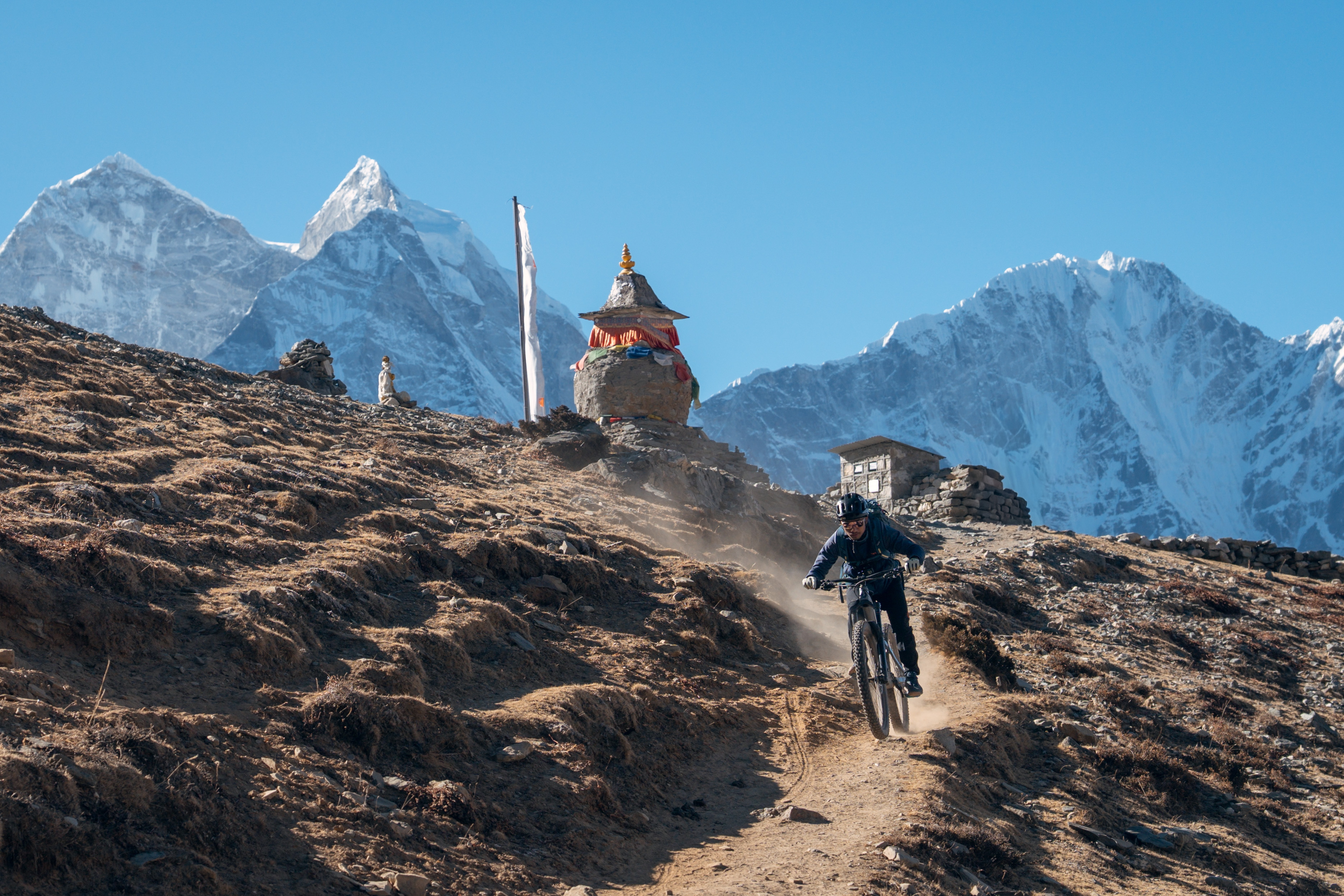
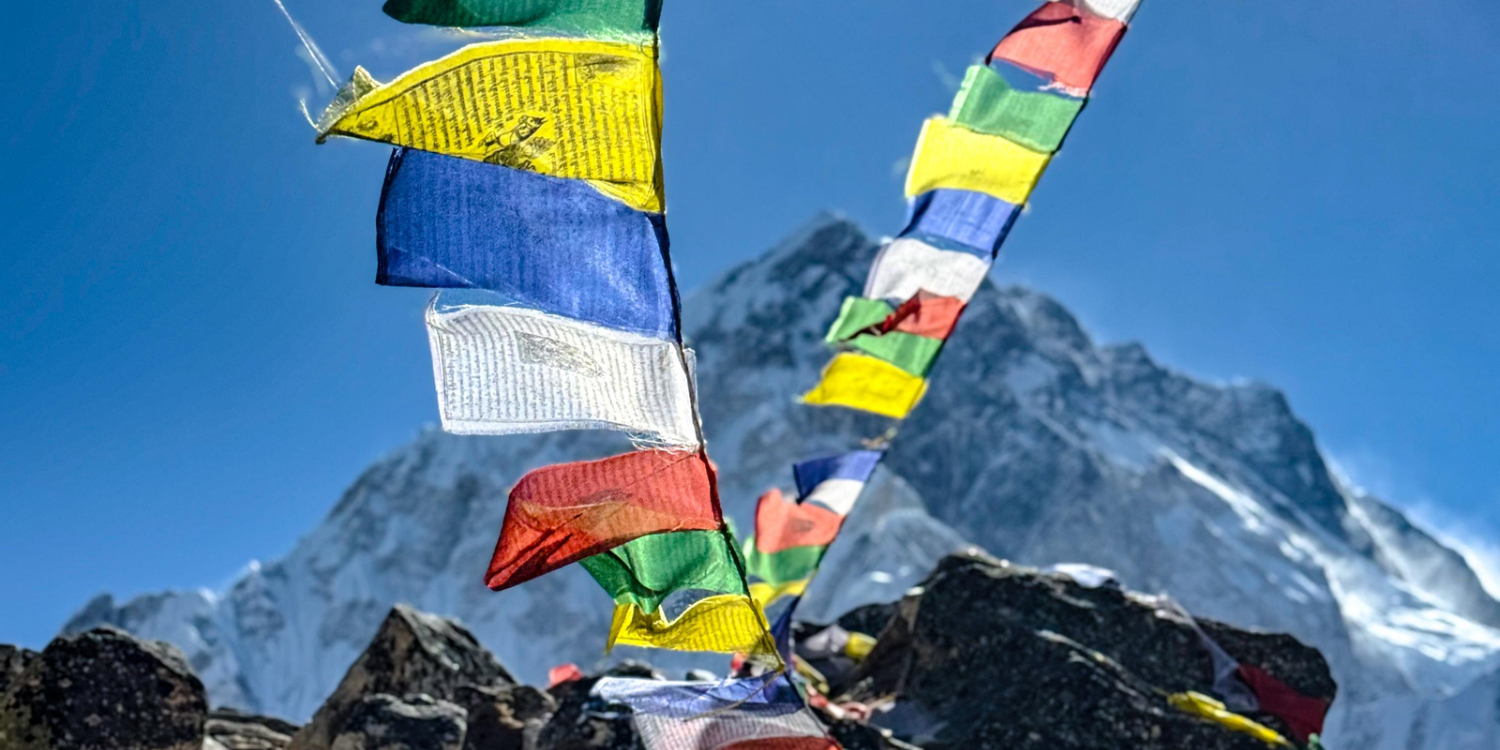
The trail climbs past prayer flags, chortens and the quiet Nangkartshang Gompa to a viewpoint draped in prayer flags. The view from the top is one of the best in the Khumbu: Makalu (8,485 m), Lhotse (8,516 m), Cho Oyu (8,188 m), and Ama Dablam (6,812 m) right across the valley. You can also see Island Peak, Taboche, Cholatse, Lobuche East and the Imja Valley winding up towards Chukung.
Take on Nepal tip: Start early, because cloud often builds by late morning. Carry warm layers, water, snacks and strong sun protection. You don’t have to reach the top. Going higher than Dingboche and coming back down is what helps you acclimatise.
Other acclimatisation hikes:
Chukung (4,730 m): close views of Island Peak and the Lhotse–Nuptse wall. Strong trekkers can continue up Chukung Ri (5,550 m). This is essential preparation for our Island Peak and Three High Passes groups.
Ama Dablam Base Camp (approx. 4,600 m): a beautiful hike to the foot of one of the world’s most admired mountains.
Trekking Up: Tengboche to Dingboche
11–12 km | 5–6 hours | approx. 540 m gain | moderate
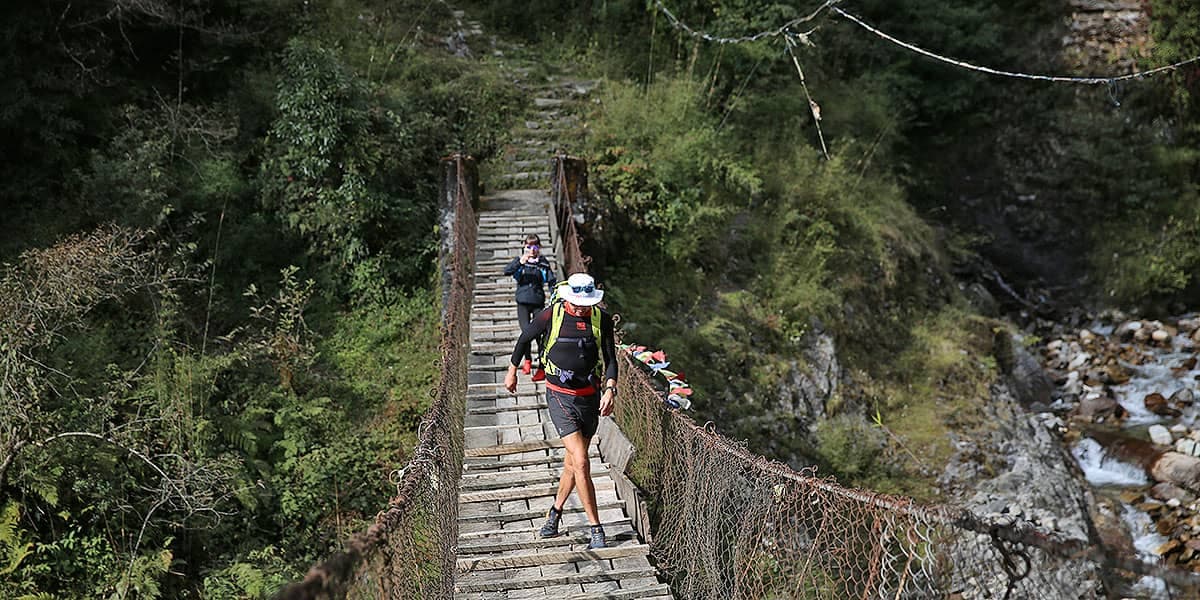
The day starts with a gentle descent from Tengboche Monastery through rhododendron, birch and fir forest to Debuche. In spring the hillsides blaze with blossom, and you may spot the Himalayan monal, Nepal’s national bird. You then cross a suspension bridge over the Imja Khola and climb past mani walls to Pangboche (3,985 m), the oldest Sherpa village in the Khumbu. Its monastery is said to be more than 300 years old.
Above Pangboche the trees disappear and the trail crosses open juniper slopes and yak pastures to Somare (4,010 m), a popular lunch stop. At the trail junction, the Pheriche trail continues straight ahead. You cross a small bridge and climb over a low ridge into the Imja Valley, and Dingboche appears below you, a patchwork of stone-walled fields beneath Ama Dablam. The path is not technical, but the last two hours feel harder than the distance suggests because of the altitude.
Trekking Down: Lobuche and Everest Base Camp to Dingboche
Lobuche to Dingboche: 8–9 km | 3–4 hours | approx. 530 m descent
From Lobuche you follow the Khumbu Glacier moraine down to the Thukla Pass (approx. 4,830 m). It is a quiet, moving place full of stone memorials to climbers and Sherpas who lost their lives on Everest. A steep, loose descent then drops to Dughla (4,620 m) for tea. From there a high path crosses a grassy plateau before curving around the ridge into Dingboche. Use trekking poles to protect your knees.
Everest Base Camp to Dingboche: 15–16 km | 6–8 hours | approx. 950 m descent
This is a long, strenuous day. Most of our groups climb Kala Patthar at sunrise from Gorak Shep, then descend to Dingboche or Pheriche the same day. Sleeping 700–800 metres lower is the best cure for altitude fatigue.
Dingboche vs Pheriche: Two Valleys, Two Glaciers
Above Pangboche the trail splits into two valleys. Dingboche lies in the Imja Valley, beside the Imja Khola. That river is fed by the Imja Tsho glacial lake and the glaciers beneath Island Peak (Imja Tse, 6,189 m) and the Lhotse wall. Across the ridge, Pheriche (4,371 m) sits in the Khumbu Valley. Its river is fed by the Khumbu Glacier, which flows down from the Icefall and Everest Base Camp. The two trails meet again above Dughla, so either village keeps you on track for Base Camp.
Ama Dablam and Living Sherpa Culture
Dingboche’s best feature is its view of Ama Dablam, meaning “mother’s necklace”. Its long ridges are the mother’s arms, and its hanging glacier is the dablam, the pendant Sherpa women traditionally wear. Many mountaineers say it is more technical than the standard routes on Everest. Because Dingboche faces south, it gets sun all day, which makes it one of the warmest rest stops this high in the Himalaya.
Buddhist faith shapes daily life here. You’ll see juniper incense rising at dawn, butter lamps, mani stones carved with Om Mani Padme Hum, and prayer wheels turned on the morning walk. Sherpa people believe the mountains are home to protective deities.
The Sacred June–July Closure
Every June and July, Dingboche observes a sacred period. Tea houses close, guests are not hosted overnight, and fires may not be lit in the village. Local belief holds that the mountain god does not want lodges running, people coming and going, or smoke rising at this time. Many families take their yaks up to the summer pastures below Nangkartshang, as their ancestors did.
Trekking in June or July? Pheriche stays open at almost the same altitude and makes an excellent acclimatisation base. Take on Nepal plans every monsoon-season trek around the closure, so you won’t lose a day.
Safety in Dingboche: Helipad and Medical Care
Helipad: used for emergency evacuations to Lukla or Kathmandu, weather permitting.
Local medical centre: can assess trekkers and give oxygen and stabilisation before descent or evacuation.
Pheriche HRA clinic: the Himalayan Rescue Association health post is staffed by volunteer doctors in peak seasons and gives daily talks on altitude sickness.
Important: Your travel insurance must cover trekking up to 6,000 m and helicopter evacuation. Take on Nepal requires this for every trekker and climber.
Cafés, Bakeries and Last-Minute Gear
Dingboche may be the best rest-day village in the high Khumbu. It has real espresso (yes, long blacks at 4,400 m), fresh apple pie and cinnamon rolls, and movie evenings showing Everest documentaries. There are plenty of lodges with sunny dining rooms, plus Wi-Fi and charging.
Snow can fall above Dingboche in any month, so the local shops are a lifesaver. They sell microspikes and crampons, gloves, beanies, down jackets, trekking poles, sunglasses, sunscreen, snacks and power banks. Expect higher prices, because everything arrives on the backs of porters and yaks.
Dingboche FAQs
What is the altitude of Dingboche?
About 4,410 metres (14,470 ft) above sea level.
How many nights should I stay in Dingboche?
Two nights, so you can do the Nangkartshang Peak acclimatisation hike before continuing to Lobuche.
Will I feel altitude sickness in Dingboche?
Almost every trekker feels the altitude from Dingboche onwards. Mild symptoms are normal. Report any symptoms that get worse to your guide immediately.
Is there a hospital or rescue service in Dingboche?
Dingboche has a helipad for emergency evacuations and a local medical centre. The HRA clinic in nearby Pheriche gives extra support.
Are Dingboche lodges open in June and July?
Dingboche traditionally closes in June and July for religious reasons. Trekkers stay in Pheriche instead.
How long does it take to trek from Tengboche to Dingboche?
About 5–6 hours over 11–12 km, climbing from 3,867 m to 4,410 m.
How long is the trek from Lobuche down to Dingboche?
About 3–4 hours over 8–9 km, mostly downhill via Thukla Pass and Dughla.
Trek Through Dingboche with Take on Nepal
Whether you’re heading to Everest Base Camp, Gokyo Lakes, the Three High Passes or the Three Peaks, or climbing Island Peak or Lobuche East, Dingboche will be a highlight of your journey. It is where you meet real altitude and adapt to it, rest in the sunshine under Ama Dablam, and see the faith of a Sherpa community up close.
Every Take on Nepal itinerary includes proper acclimatisation, experienced local guides and respect for local customs.