A journey into the heart of the Himalayas: By Som TamangTake on Nepal
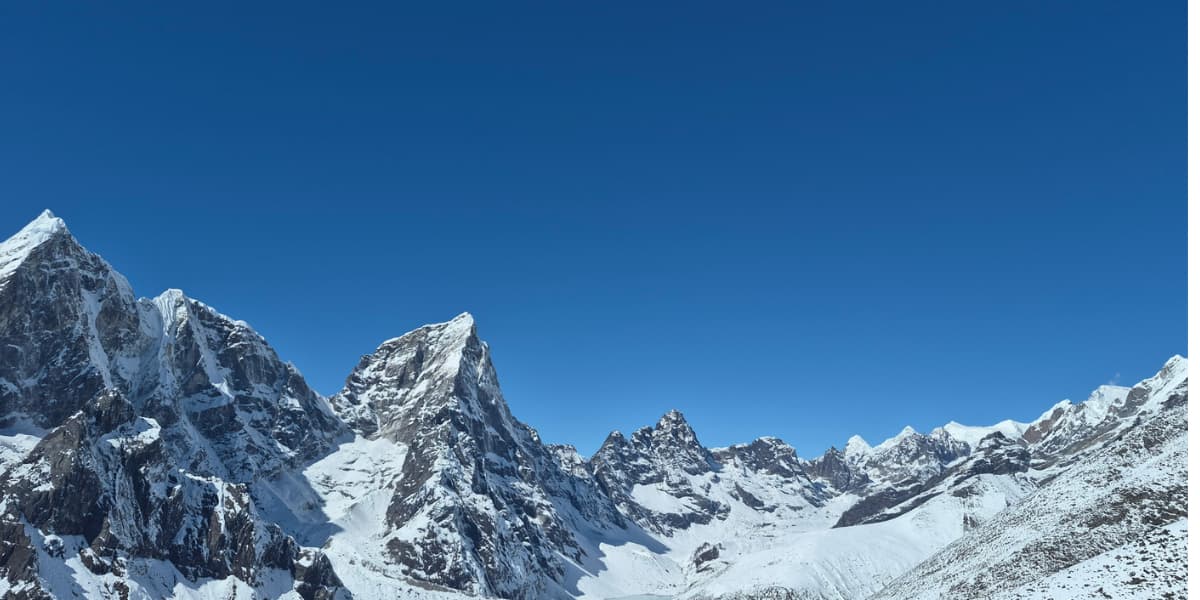
The Everest Base Camp Trek is much more than a walking adventure. It is a journey through some of the most spectacular mountain landscapes on Earth, traditional Sherpa villages, ancient monasteries, suspension bridges, glacial rivers and the breathtaking world of the Himalayas.
At Take On Nepal, I believe it is important that our clients understand not only where they are going, but also what they will experience along the way. Every day on this trek brings something different: beautiful scenery, physical challenges, cultural experiences, changing weather and the unforgettable feeling of getting closer to Mount Everest.
I would like to take you through this journey, step by step, so you can understand what the Everest Base Camp adventure really involves.
Day 1 – Kathmandu to Lukla and Trek to Phakding
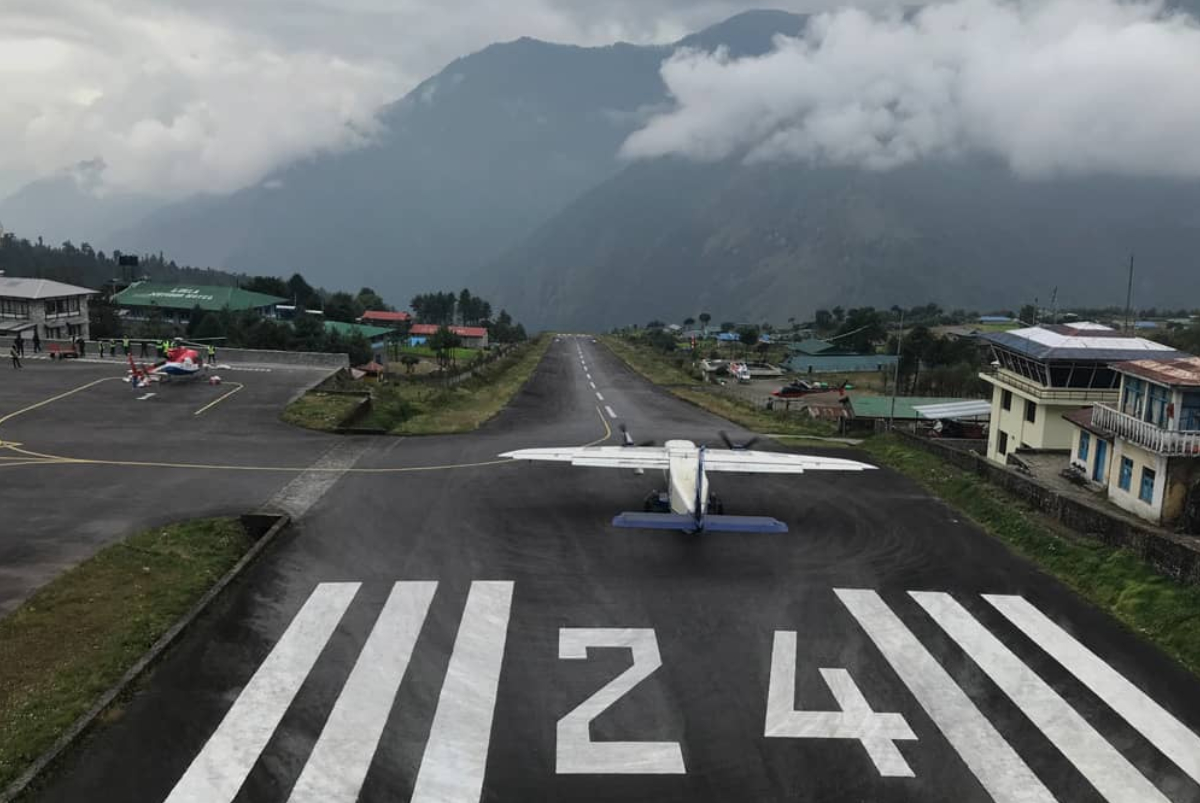
After breakfast in Kathmandu, we organise our trekking equipment, pack our essential belongings into our duffel bags and daypacks, and transfer to Kathmandu Airport for our flight to Lukla. The flight itself takes approximately 45 minutes, although sometimes the waiting time can be much longer because of changing mountain weather conditions. Flights to Lukla are highly weather-dependent. We may have to wait several hours until a suitable weather window opens. Sometimes, when the weather suddenly clears, we need to be ready to depart immediately. Flexibility is an important part of trekking in the Everest region. The flight to Lukla is an adventure in itself. As we approach the mountains and finally see the famous Lukla airstrip, we begin to realise that our Himalayan adventure is becoming a reality.
Lukla is the gateway to the Everest region. Standing beneath the surrounding mountains, seeing the welcome sign and looking towards the trail ahead, is an exciting moment for every trekker. After landing, we have some time for lunch or refreshments at a local tea shop. We complete the necessary trekking formalities and trail permits before beginning our walk. Even if we arrive later than expected, we may still need to continue towards Phakding, depending on the conditions and the day's schedule. The trail takes us into a spectacular mountain valley, with enormous mountains rising on either side. The Dudh Koshi River accompanies us along much of the route. We walk along rocky and uneven paths, passing small settlements and occasional groups of yaks and mules.
If our flight arrives late, part of this first walk may take place in fading daylight or darkness. This is one reason why being prepared with a headlamp is important. Eventually, we reach Phakding, situated at approximately 2,610 metres. After arriving at our tea house, we settle into our accommodation, enjoy a hot shower if available, have dinner together and receive a briefing about the following day's walk. We also prepare our drinking water and equipment. It is important to get a good night's rest because tomorrow we begin our climb towards Namche Bazaar.
Day 2 – Phakding to Namche Bazaar
Elevation: 2,610m to 3,340m
We normally begin our day around 8:00 am after breakfast at our tea house in Phakding. Today is an important trekking day, as we gradually make our way towards Namche Bazaar, the main trading and administrative centre of the Everest region. The trail follows the Dudh Koshi River through a beautiful narrow valley. This powerful river is partly fed by glacial lakes and flows through the mountains below us.
During today's walk, we cross several suspension bridges, including the famous Hillary Suspension Bridge near Namche Bazaar. Each bridge offers a different perspective of the river and the surrounding landscape. The bridges are impressive structures suspended high above the river, and crossing them is one of the memorable experiences of the Everest Base Camp Trek.
As we continue, we begin noticing snow appearing on the higher mountain peaks. The landscape becomes increasingly dramatic. In Nepal, we often describe the first half of the walk as a 'Nepali flat'. This expression can be a little misleading for first-time visitors! It does not mean the trail is actually flat. Instead, it means walking up and down numerous small hills, with repeated ascents and descents.
We normally stop for lunch at a local tea house, such as Jorsale, around 2,835 metres. After lunch, the more demanding part of the day begins. We still have approximately 600 metres of elevation gain ahead of us before reaching Namche Bazaar. The trail gradually becomes steeper, and we need to maintain a steady pace. There is no need to rush. The most important thing is to walk comfortably, drink enough water and listen to your body.
Along the way, we frequently encounter donkeys, mules and yaks carrying supplies up towards the higher villages. These animals play an essential role in transporting food, building materials and other necessities throughout the region. We always give them enough space to pass safely. As your trekking guide, I pay close attention to the team throughout the day. It is important that everyone maintains a comfortable pace, stays hydrated and communicates any discomfort or early symptoms of altitude sickness.
We eventually reach a point where the trail opens up and offers our first spectacular view of Namche Bazaar. Namche is built into the mountainside in a beautiful horseshoe shape, surrounded by enormous Himalayan peaks. We arrive at approximately 3,340 metres. Namche Bazaar is one of the most exciting villages on the Everest trail. There are comfortable tea houses, bakeries, restaurants, shops and even places where trekkers can enjoy freshly made coffee. After checking into our accommodation, we can enjoy a hot shower if available, relax and prepare for our acclimatisation day.
Day 3 – Acclimatisation Day in Namche Bazaar
Namche Bazaar: 3,340m | Acclimatisation hike: approximately 3,900m
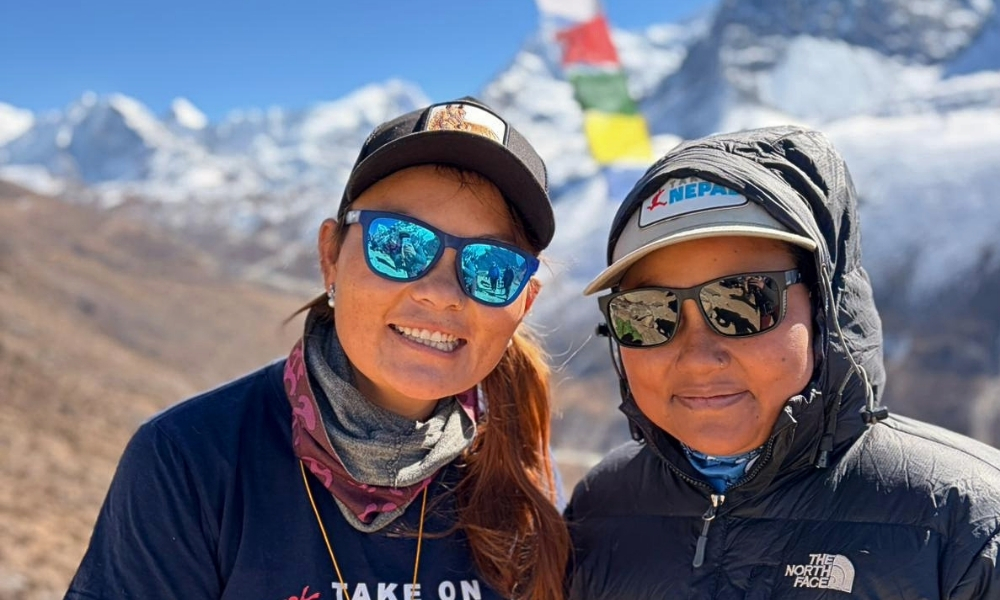
Today is an important acclimatisation day. Many people think an acclimatisation day means staying inside the tea house and doing nothing. However, that is not normally how we approach altitude acclimatisation. Our bodies need time to adjust to the reduced oxygen levels at higher elevations. One of the best ways to help this process is to follow the principle of 'climb high, sleep low'. We therefore take a gradual hike to a higher elevation during the day before returning to Namche Bazaar to sleep.
Our acclimatisation hike may cover approximately 10 kilometres, with around 400 metres of elevation gain, depending on the route and conditions. We slowly make our way towards the higher viewpoints above Namche. On a clear day, we may finally get our first proper view of Mount Everest, standing at 8,848.86 metres above sea level. Seeing the world's highest mountain for the first time is an unforgettable moment.
The hike can feel surprisingly difficult because we are already above 3,000 metres. Even people who are very fit at sea level may notice that they become breathless more quickly. This is completely normal at altitude, and it is one reason why we always encourage our clients to walk slowly and steadily. We may also visit nearby villages and enjoy lunch surrounded by enormous mountains, including views towards some of the most impressive peaks in the region. A warm honey, ginger and lemon tea is particularly enjoyable in the cold mountain air. Namche Bazaar also has several cafés, bakeries and restaurants. Although there are places serving alcoholic drinks, I strongly recommend avoiding alcohol during the trek, particularly while acclimatising. Alcohol can interfere with hydration and sleep and is not a good choice at altitude. Our main priority today is to prepare our bodies for the higher elevations ahead. Tomorrow we continue towards Tengboche.
Day 4 – Namche Bazaar to Tengboche
Elevation: 3,340m to approximately 3,860m
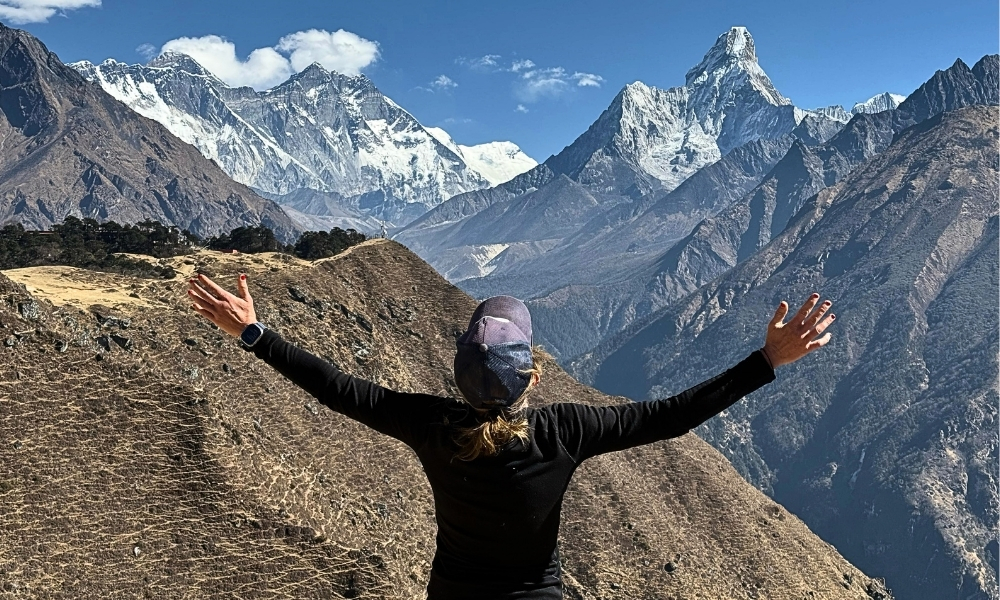
Today we trek approximately 12 kilometres towards Tengboche. This is one of the most beautiful sections of the Everest Base Camp trail. As we leave Namche Bazaar, the path initially follows the mountainside, offering spectacular views of Mount Everest and the surrounding Himalayan peaks. On a clear day, Everest remains visible for much of the journey. Walking towards the world's highest mountain is a special feeling, particularly for those who have dreamed about this adventure for many years.
The trail includes a mixture of gradual walking and steeper sections. We need to maintain our slow and steady pace because the increasing altitude makes every climb more demanding. Along the way, we often hear the bells of yaks and mules before seeing them. These animals are an important part of everyday mountain life and transport essential supplies to the higher villages. We stop for lunch at a riverside settlement, Phunki Tenga, situated at approximately 3,250 metres. The area is known for its beautiful natural surroundings and traditional Himalayan atmosphere. Nearby, we also find important Buddhist cultural sites and monasteries.
After lunch, we face a substantial uphill climb towards Tengboche. The climb is approximately 600 metres in elevation, and we take our time to reach the village comfortably. Tengboche is situated at around 3,860 metres and is famous for its beautiful monastery, one of the most important Buddhist monasteries in the Khumbu region. Upon arrival, we may have the opportunity to visit the monastery and receive a blessing from a Buddhist monk, depending on the monastery's schedule. This is a wonderful cultural experience and offers a chance to understand more about the spiritual traditions of the Sherpa people.
Tengboche also has a small bakery where trekkers can enjoy something warm after a long day on the trail. The surrounding mountain views are magnificent, with Everest, Lhotse, Ama Dablam and other Himalayan peaks dominating the skyline. We spend the night in Tengboche, preparing for our next journey towards Dingboche.
Day 5 – Tengboche to Dingboche
Elevation: approximately 3,860m to 4,300m
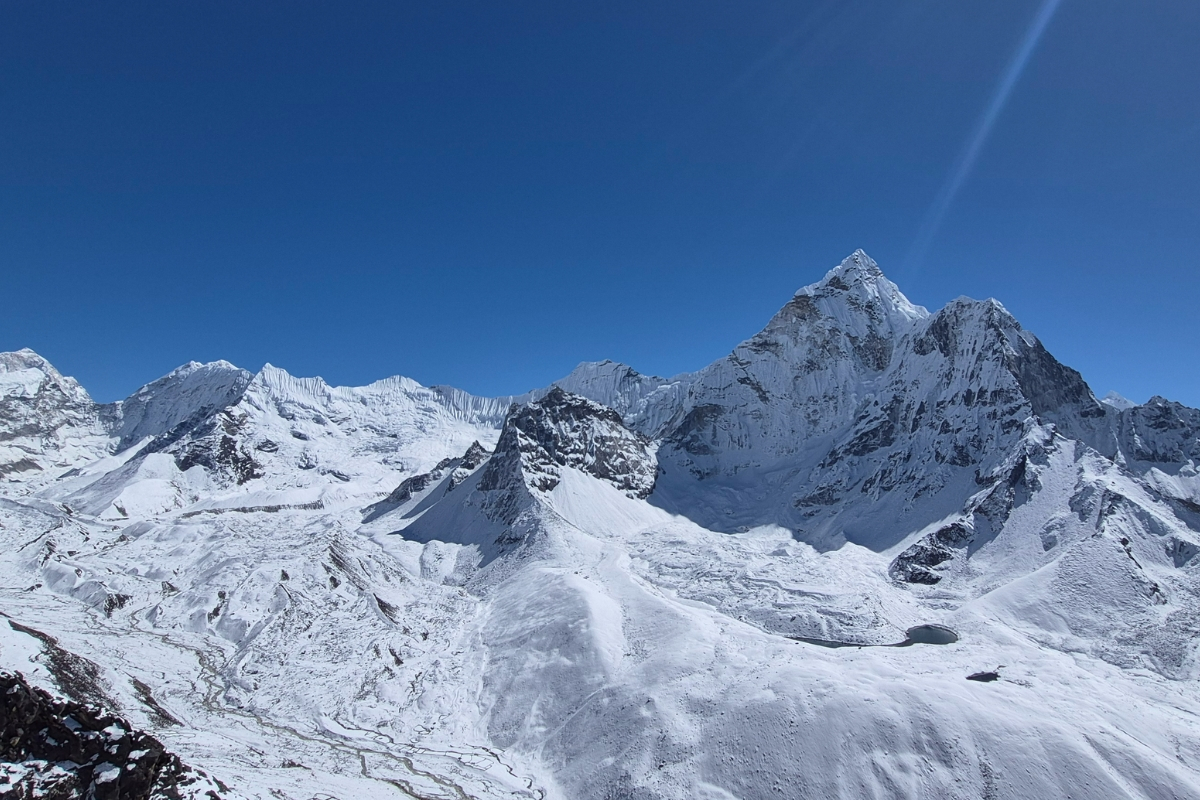
Today we continue towards Dingboche, entering a higher and more exposed section of the Everest region. The trail takes us through traditional Sherpa settlements, beautiful mountain landscapes and increasingly dramatic Himalayan scenery. We pass through Pangboche, one of the oldest and most important settlements in the region. Pangboche was also one of the villages severely affected by the earthquakes that struck Nepal. As we walk through the village, we can see the resilience of the local community and the importance of rebuilding life in these remote mountain areas.
Throughout today's walk, we enjoy magnificent views of Ama Dablam, Lhotse and the surrounding mountains. The scenery becomes more impressive with every kilometre, but the physical challenge also increases as we gain altitude. From approximately 3,860 metres, we climb towards 4,300 metres, gaining around 450 metres depending on the exact starting point and route.
We should expect to walk for approximately six hours, although this can vary depending on the team's pace and trail conditions. We arrive in Dingboche, where we stay for two nights. Dingboche is an important acclimatisation stop before continuing towards Lobuche and Everest Base Camp. The temperatures are now considerably colder, particularly in the evenings and overnight. During colder periods, temperatures can drop well below freezing. Most tea houses provide dining areas where trekkers can gather around a stove or heater, although bedrooms are generally unheated.
After arriving, we settle into our accommodation, enjoy a warm meal and prepare for the next acclimatisation hike.
Day 6 – Acclimatisation Hike in Dingboche
Dingboche: 4,300m | Hiking elevation: approximately 4,750m–4,900m
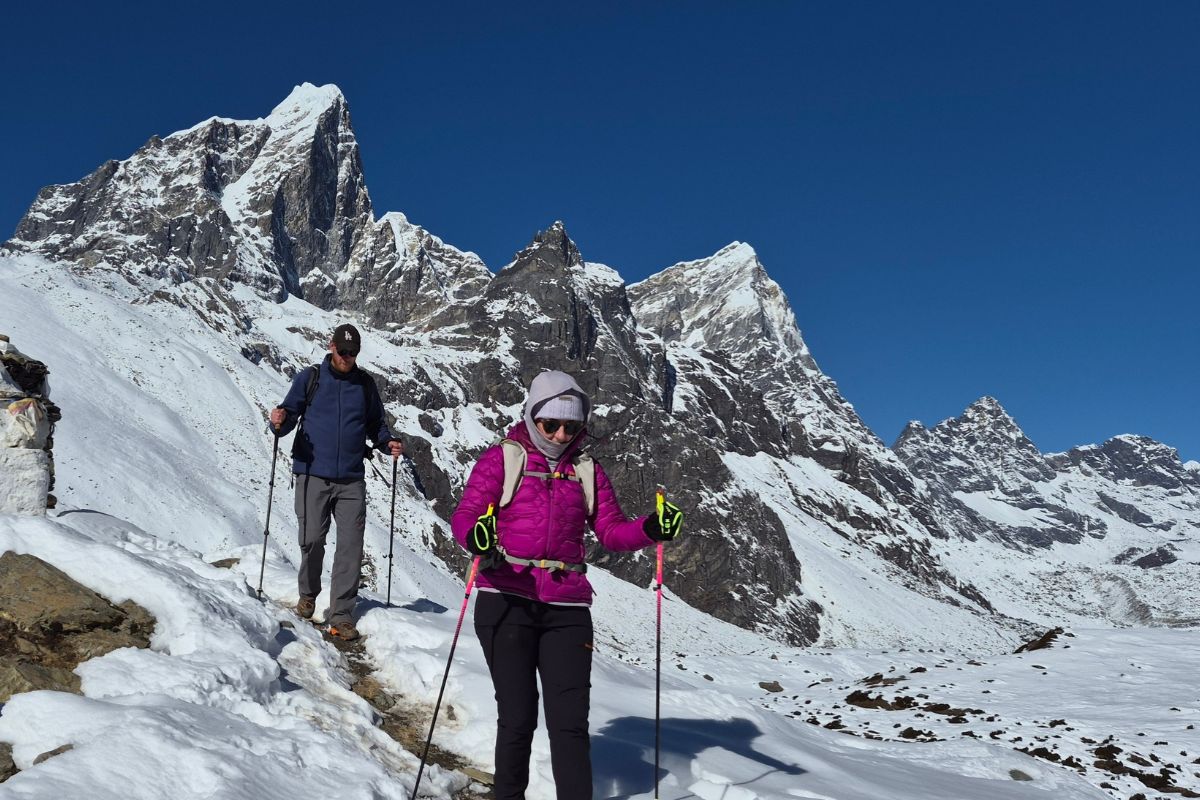
Today is another important acclimatisation day. Although we are staying in Dingboche for a second night, we do not simply spend the whole day resting. Our plan is to climb to a higher elevation before returning to Dingboche to sleep. We normally begin after breakfast and gradually make our way towards the surrounding hills and viewpoints. The target elevation is approximately 4,750 metres, although depending on the route, weather, the group's condition and individual ability, we may reach around 4,900 metres.
The walk can be challenging because the air is thinner and every step requires more effort. We may encounter ice and snow along the trail, and cold winds can make the conditions feel considerably harsher. We take frequent breaks and drink plenty of water. Some trekkers may also be taking Diamox (acetazolamide), a medication sometimes prescribed to help prevent or reduce acute mountain sickness. It can increase urination, making good hydration particularly important.
Medication should always be taken according to appropriate medical advice. The views from this section of the trek are extraordinary. We are surrounded by magnificent mountains, including Lhotse and Ama Dablam. Their enormous snow-covered faces rise above the valleys, creating an incredible Himalayan panorama. For many trekkers, this is one of the most beautiful sections of the entire journey.
We return to Dingboche in the afternoon and enjoy another night at our tea house. At this stage, our bodies are working hard to adapt to the altitude. We need to eat properly, stay hydrated and rest as much as possible. The next stage takes us towards Lobuche, followed by Gorak Shep and Everest Base Camp.
Day 7 – Dingboche to Lobuche
Elevation: approximately 4,300m to 4,920m
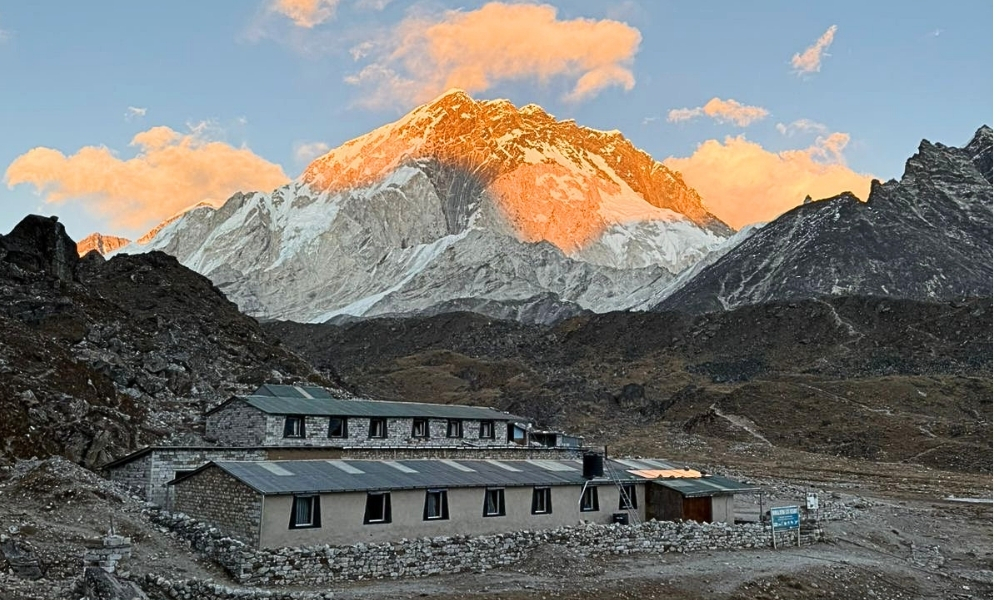
Today we continue towards Lobuche, getting closer to our ultimate destination. The landscape is now very different from the lower sections of the trek. Trees become scarce, vegetation is limited and the surrounding mountains are increasingly covered in snow and ice. The trail takes us through beautiful high-altitude terrain, with views of enormous Himalayan peaks in every direction.
We gradually climb towards the Thukla area, where we stop and take time to rest. One of the most meaningful places along this route is the Everest Memorial at Chukpi Lhara. This memorial area contains numerous stone monuments dedicated to climbers and trekkers from different countries who lost their lives in the Everest region. Many of these memorials have plaques remembering individuals who never returned from their Himalayan adventures.
Standing among these monuments is a deeply emotional experience. It reminds us that the mountains are beautiful and inspiring, but they must always be treated with respect. Mountaineering and high-altitude trekking involve genuine risks, and the memorial is a powerful reminder of the importance of preparation, experience, safety and responsible decisions. After visiting the memorial, we continue our gradual ascent towards Lobuche. As we get closer to Everest Base Camp, helicopter activity becomes more noticeable. Helicopters transport supplies and assist with medical evacuations when required.
This is part of the logistical reality of supporting expeditions and trekkers in such a remote and challenging environment. Eventually, we reach Lobuche at approximately 4,920 metres. The accommodation is basic but comfortable for this remote location. The evenings are very cold, and bedrooms are generally unheated. After dinner, we prepare our equipment for the following day. Tomorrow is one of the biggest highlights of the entire trek: reaching Everest Base Camp.
Day 8 – Lobuche to Gorak Shep and Everest Base Camp
Lobuche: approximately 4,920m | Gorak Shep: approximately 5,164m | Everest Base Camp: approximately 5,364m
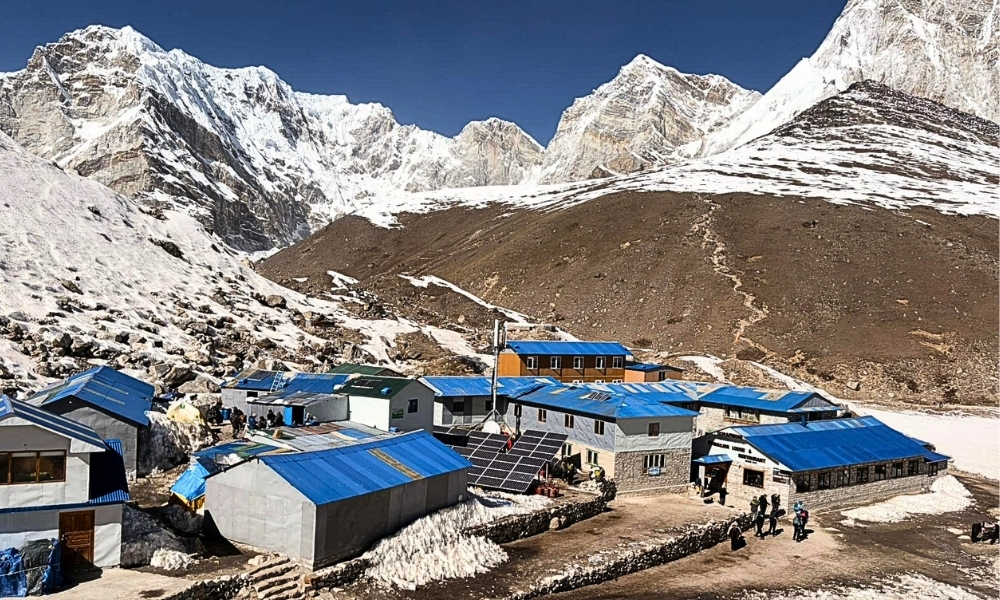
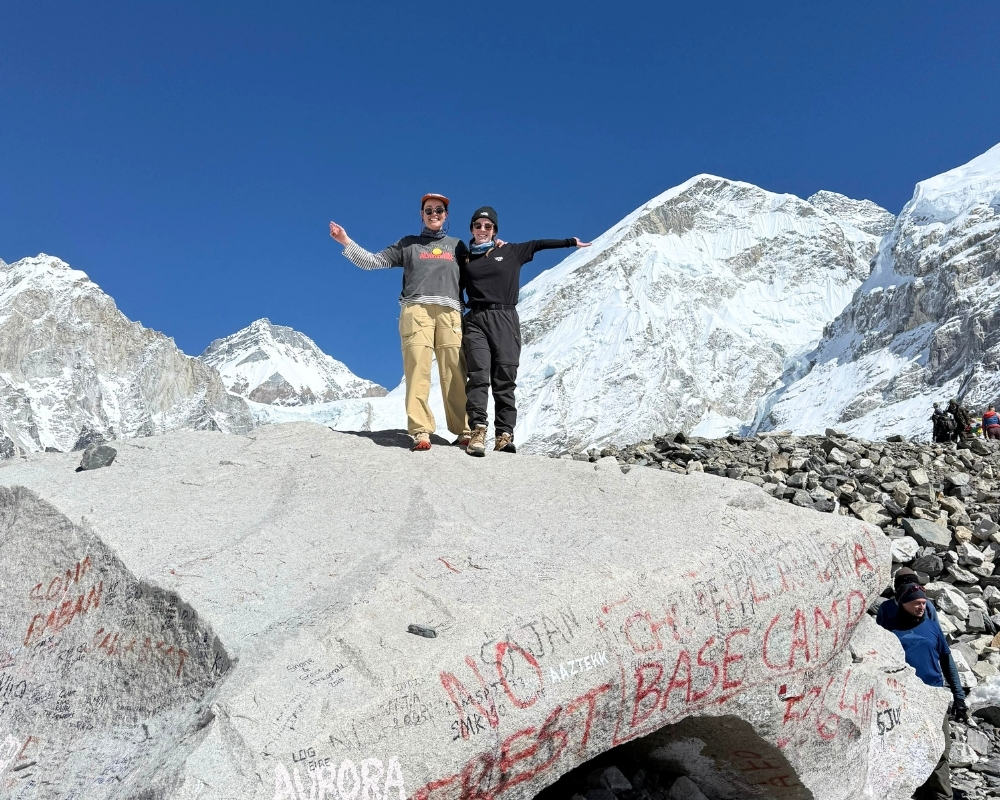
This is the day many trekkers have been dreaming about for years: the day we finally reach Everest Base Camp. We start early because today is a long and demanding trekking day. After breakfast, we leave Lobuche and walk towards Gorak Shep, following the rugged landscape surrounding the Khumbu Glacier. At this altitude, oxygen levels are considerably lower, so even experienced trekkers need to walk slowly and steadily, with regular breaks for water and rest. After approximately three hours, depending on conditions and individual pace, we reach Gorak Shep, one of the highest settlements in the Everest region. It is an important overnight stop for trekkers visiting Everest Base Camp and climbing Kala Patthar. We stop for lunch or refreshments, often enjoying noodles and a warm honey, ginger and lemon tea before continuing our journey.
After some rest, we continue towards Everest Base Camp along the rocky and glacial trail beside the Khumbu Glacier. The surrounding mountains become increasingly impressive, with the enormous face of Nuptse, Lhotse and Mount Everest rising above us. Depending on the weather, we may catch glimpses of Everest's summit along the way. Finally, we arrive at Everest Base Camp, approximately 5,364 metres above sea level during the main climbing season, although its exact position can vary. This is where mountaineering expeditions establish temporary camps before attempting to climb Everest. During the spring climbing season, Base Camp becomes a temporary expedition village, with teams from different countries setting up sleeping tents, kitchens, medical facilities and communication centres. Depending on the season, we may see climbers, Sherpa guides, medical personnel and expedition teams preparing for their challenging journeys. Although we do not climb to Everest's summit during this trek, reaching Base Camp is an extraordinary achievement in itself.
We spend time enjoying the incredible surroundings, taking photographs and appreciating this remarkable Himalayan landscape. For many trekkers, this is one of the most memorable moments of the entire journey, as years of dreaming and preparation finally become reality. After enjoying our time at Base Camp, we return to Gorak Shep. The walk back can be demanding after such a long day at high altitude, so we maintain a steady pace and take breaks when needed. We spend the night in Gorak Shep or follow the agreed itinerary, depending on the trekking schedule and weather conditions.
Day 9 – Kala Patthar
Elevation: approximately 5,545m–5,650m
For many trekkers, Kala Patthar is one of the most spectacular highlights of the Everest Base Camp adventure. Although Everest Base Camp is our main destination, Kala Patthar offers some of the finest panoramic views of Mount Everest. We normally start very early in the morning, sometimes before sunrise, when temperatures can be extremely cold. Warm clothing, gloves, a hat, headlamp and suitable trekking equipment are essential. The climb from Gorak Shep is steep and demanding, and at this altitude, every step requires patience and determination. With less oxygen available, even a short climb can leave us breathless, so we walk slowly and take regular breaks.
Kala Patthar reaches approximately 5,545 metres according to commonly used topographic measurements, although some GPS readings show elevations around 5,600 metres or slightly higher. Standing higher than Everest Base Camp, it offers outstanding views of the Everest massif. As we climb, mountains such as Mount Everest, Nuptse, Lhotse and Pumori gradually reveal themselves, along with the impressive Khumbu Glacier, when weather conditions are clear. The final section is rocky and may require some scrambling. Reaching the top is a special personal achievement, especially after all the preparation and challenges of the previous days. Sunrise is particularly beautiful, as golden light gradually illuminates the snowy mountain peaks, creating an unforgettable Himalayan panorama.
After enjoying the views and taking photographs, we carefully descend to Gorak Shep. It is important to remember that Kala Patthar is an optional objective, not something every trekker must complete. Whether we attempt the climb depends on weather conditions, health, altitude symptoms, physical fitness and the overall safety of the group. At Teko Nepal, I always put the safety and well-being of our trekkers before reaching any particular summit.
Day 10 – Gorak Shep to Pheriche or Pangboche
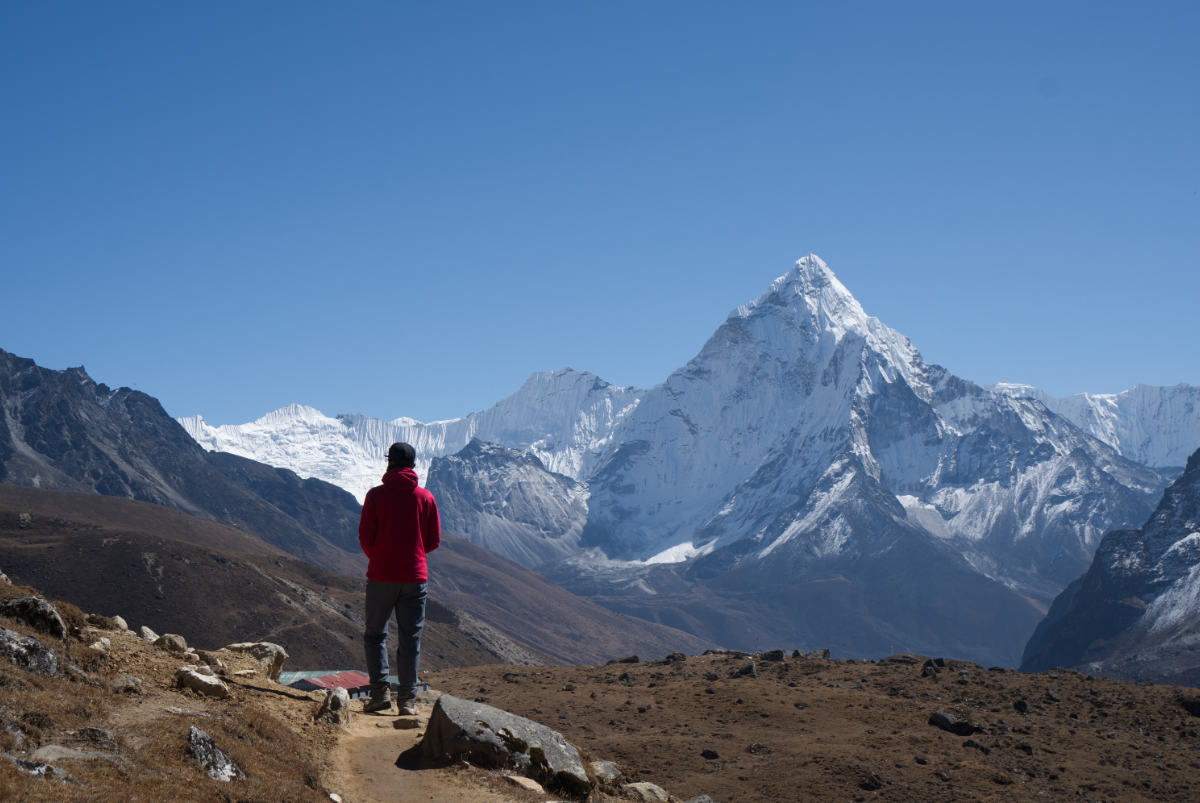
After successfully reaching Everest Base Camp and, weather permitting, hiking up to Kala Patthar, it's time to start our journey back down the beautiful Khumbu Valley. It's a great feeling knowing we've achieved what we came here for! Although breathing becomes easier as we lose altitude, our legs may still be feeling the hard work of the past few days. The rocky trails around the Khumbu Glacier need a little care, so take your time and enjoy the walk.
We retrace our steps through Lobuche and continue towards the lower villages, passing familiar mountain landscapes, suspension bridges and welcoming tea houses along the way. As we descend, the air becomes richer in oxygen, making walking and breathing more comfortable. You will also notice the changing scenery as we leave the high, rocky landscape behind and return to greener valleys.
Depending on our itinerary, weather and group pace, we spend the night in Pheriche or Pangboche. After several nights at high altitude, it feels wonderful to reach a lower village, enjoy a warm meal and have a good rest. Tonight is a chance to relax, share stories and celebrate reaching Everest Base Camp. You've earned it!
Day 11 – Pangboche to Namche Bazaar
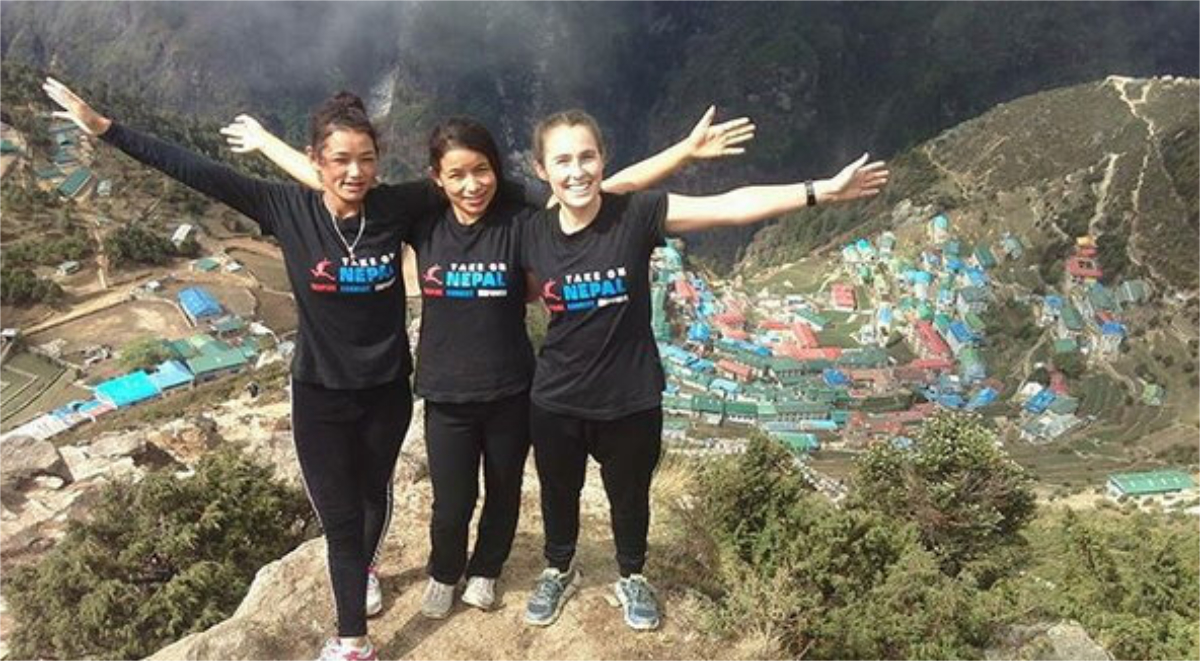
Today, we continue our journey downhill towards Namche Bazaar. Although we are gradually losing altitude, don't expect an easy walk just yet! The trail has plenty of ups and downs as it winds through beautiful mountain valleys, traditional Sherpa villages and spectacular Himalayan scenery. We pass familiar places along the way, giving us another chance to enjoy the landscapes we may have rushed past on the way up.
Keep an eye out for the hardworking local porters, yaks and mules carrying everything from food and drinks to building materials and cooking gas for the mountain communities. It's amazing to see how these remote villages keep running, and it gives us a real appreciation of everyday life in the Himalayas. As we lose altitude, the landscape becomes greener, the villages get busier and we start seeing more trekkers returning along the Everest trail.
By the afternoon, we arrive back in Namche Bazaar, the lively heart of the Sherpa community. It's lovely to be back! Time to relax, enjoy a hot shower, grab a coffee or a treat from one of the local bakeries and catch up with fellow trekkers. There will be plenty of stories, photos and laughs to share after our Everest Base Camp adventure. Enjoy your evening because we only have a couple more trekking days before reaching Lukla!
Day 12 – Namche Bazaar to Lukla
Today is our final full day of trekking as we make our way towards Lukla. On the Take on Nepal itinerary, we split the return journey into two sections, giving you more time to enjoy the trail without having to rush through a very long walking day. Some trekking companies complete the approximately 25 km journey from Namche Bazaar to Lukla in one day, but we prefer to break it up so you can enjoy the experience at a more comfortable pace.
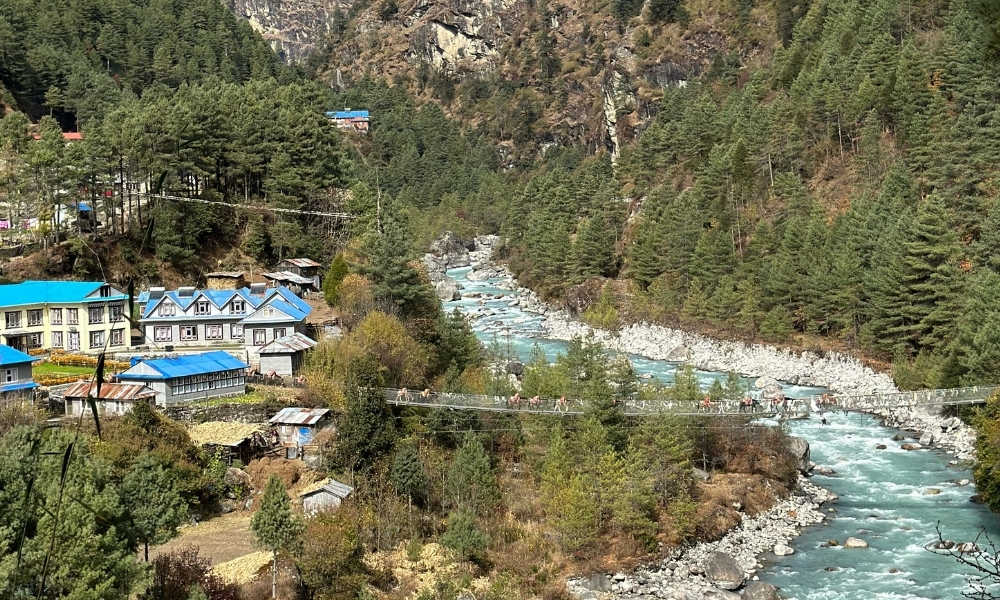
We retrace our steps through the beautiful Dudh Koshi Valley, passing familiar villages, crossing suspension bridges and following the river through the Himalayan landscape. Although much of the trail is downhill, there are still a few uphill sections to keep your legs working! Along the way, we pass through Phakding and other small settlements, enjoying the scenery and the friendly mountain communities one last time.
Finally, we arrive back in Lukla, where our Everest trekking adventure officially comes to an end. What an achievement! After days of walking through some of the world's most spectacular mountain scenery, it's time to celebrate with your guides, porters and fellow trekkers. Share photos, stories, laughs and a few well-earned drinks or a hot cup of tea. You've made it all the way to Everest Base Camp and back! Enjoy your final evening in the mountains before our flight back to Kathmandu tomorrow.
Day 13 – Lukla to Kathmandu
After breakfast, we prepare for our return flight to Kathmandu. Just like our flight to Lukla, the journey back is highly dependent on mountain weather conditions. Sometimes flights operate as scheduled, while on other occasions, delays may occur due to cloud, wind or poor visibility. For this reason, I always recommend keeping some flexibility in your travel arrangements after completing the trek, allowing extra time in case of flight disruptions.
When weather conditions are suitable, we board our aircraft and enjoy one final spectacular view of the Himalayan mountains. The flight normally takes approximately 45 minutes, although schedules and operating arrangements can vary depending on the conditions. Upon arrival in Kathmandu, we transfer to our hotel, where we can finally relax and enjoy the comforts of the city after many days in the mountains.
After the long journey through the Himalayas, a comfortable hotel, a hot shower and a delicious meal feel truly wonderful. It is a special moment to look back on everything we have achieved, from the first steps on the trail to reaching Everest Base Camp and returning safely. Congratulations! We have successfully completed the Everest Base Camp Trek, creating memories and experiences that will stay with us for a lifetime!
What Makes the Everest Base Camp Trek So Special?
As someone from Nepal who has grown up with the Himalayas and works in trekking, I believe the Everest Base Camp experience is about much more than reaching a particular destination.
It is about discovering a different way of life.
During the journey, you experience:
Lukla: The famous mountain airport and gateway to the Everest region.
Phakding: A beautiful riverside village where our Himalayan trekking adventure begins.
Namche Bazaar: The main Sherpa trading centre, with bakeries, cafés, shops and spectacular mountain views.
Tengboche: Home to one of the most important Buddhist monasteries in the Khumbu region.
Pangboche: A traditional Sherpa settlement surrounded by magnificent Himalayan scenery.
Dingboche: An important acclimatisation village surrounded by impressive mountain landscapes.
Lobuche: A remote high-altitude settlement on the approach to Everest Base Camp.
Gorak Shep: One of the highest overnight stops on the trek.
Everest Base Camp: The legendary starting point for many Mount Everest climbing expeditions.
Kala Patthar: One of the best viewpoints for panoramic views of Mount Everest.
Along the way, you encounter Buddhist prayer flags, mani walls, ancient monasteries, traditional Sherpa culture, suspension bridges, glacial rivers, snow-covered peaks and the extraordinary hospitality of the Nepalese people.
You also experience the challenges of high-altitude trekking, including colder temperatures, reduced oxygen, steep climbs and long walking days.
Every part of the journey has its own character.
Important Things to Understand Before Booking
This is not part of our standard Take on Nepal itinerary. It is an option for those who are looking for a customised, shorter and faster trek while still keeping safety as the priority. Over the years, I have personally completed the Everest Base Camp trek and returned to Lukla in just five days while leading different groups during busy trekking seasons. However, this is something I have done as part of my work to make sure our groups reach their destinations, and I would not recommend this pace for regular trekkers.
Always remember, for most people, it's not just about reaching the destination; it's about enjoying the journey along the way. At Take on Nepal, I want every client to arrive with realistic expectations and a good understanding of what this adventure involves. We want you to enjoy the mountains, the villages, the people and every special moment along the trail, rather than simply rushing to reach Everest Base Camp.
1. Altitude is the biggest challenge
You do not need to be an elite athlete to complete the Everest Base Camp Trek. However, you must be prepared for the physical demands of walking at high altitude.
Even fit people can experience breathlessness, tiredness, headaches and altitude-related symptoms.
2. Acclimatisation days are essential
We include acclimatisation days in our itinerary to help your body adjust to the reduced oxygen levels.
These days are not wasted time. They are an important part of a responsible trekking schedule.
3. The accommodation is basic in higher villages
Tea houses are generally comfortable and welcoming, but facilities become more basic as we climb higher.
Hot showers, electricity, charging facilities and internet may be available, but availability and costs vary.
Bedrooms are usually unheated, and temperatures can fall below freezing.
4. The weather can change quickly
Mountain weather is unpredictable. Flights to and from Lukla can be delayed or cancelled.
We always recommend keeping additional days in your travel schedule wherever possible.
5. You must walk slowly
The most important principle of high-altitude trekking is to avoid rushing.
We follow a steady walking pace, take regular breaks and monitor the condition of every member of the group.
6. Safety comes before the summit
Reaching Everest Base Camp or Kala Patthar is an incredible achievement, but no destination is more important than your health and safety.
If a trekker develops symptoms of altitude sickness, we take them seriously and make appropriate decisions. In some situations, descending immediately or arranging a medical evacuation may be necessary.
7. You do not have to carry everything yourself
Our trekking arrangements can include porters to transport your main duffel bag, allowing you to walk with a smaller daypack containing essential personal items, water, snacks, extra clothing and other necessities.
This makes the journey more comfortable while supporting local employment.
A Personal Message from Som Tamang Teko Nepal
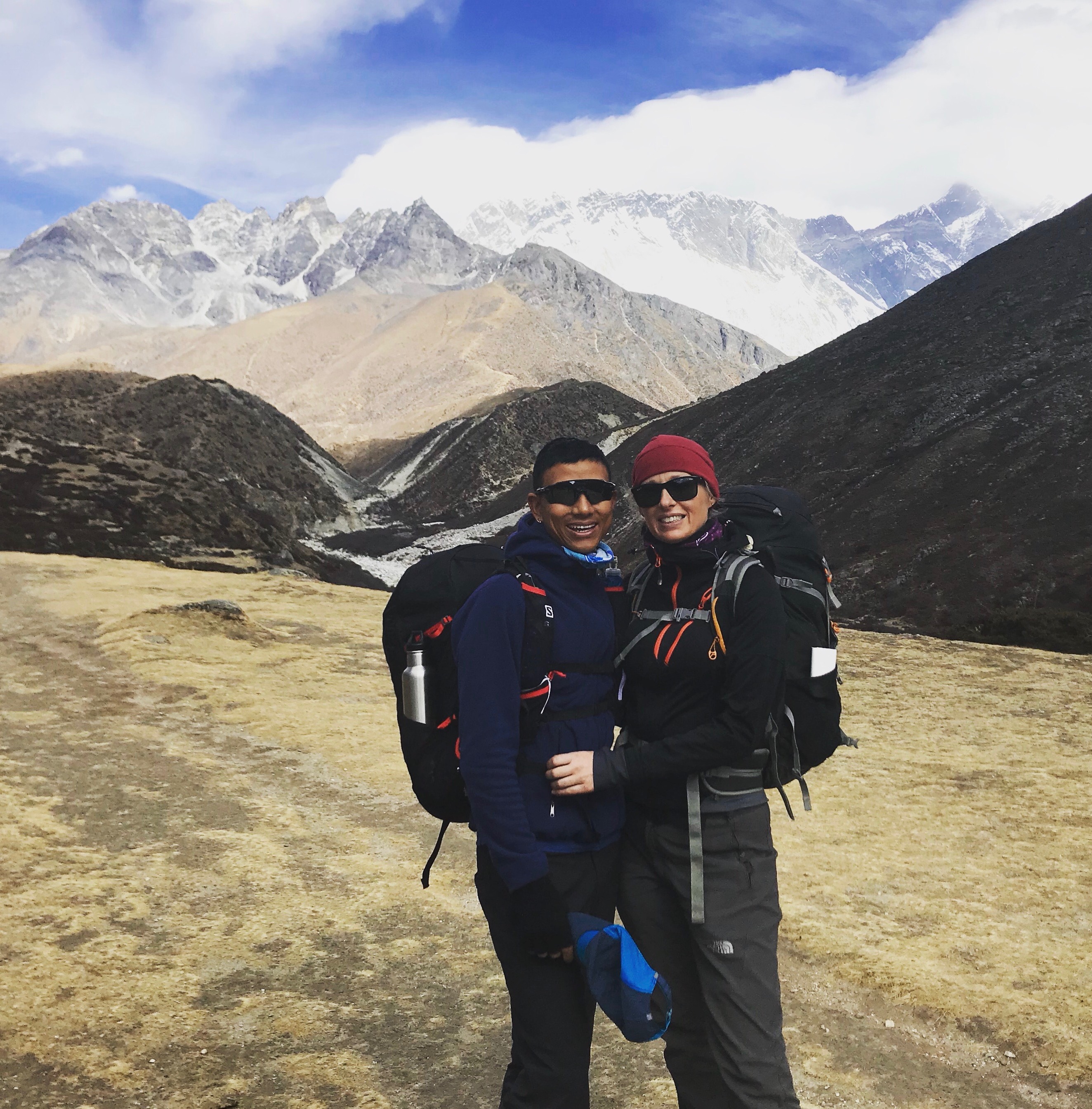
The Everest Base Camp Trek is one of the greatest adventures you can experience in Nepal. I have been walking these trails since I was just 13 or 14 years old, and I have completed the Everest Base Camp trek countless times. Before COVID, I was doing this trek at least twice every season, and I have continued returning to the mountains many times since. The Himalayas have always had something special to offer me, and I believe they have the same magic for every visitor. They teach us patience, humility, determination and respect for nature.
Over the years, I have walked these trails in different seasons and experienced the challenges and beauty of the Everest region many times. Every Take on Nepal trek and itinerary is carefully planned using my own experience on the trails. The walking distances and elevations are based on my own GPS watch recordings from the routes we actually take. Please remember that distances can vary slightly from day to day, depending on the route, shortcuts and switchbacks we follow along the way. Some days may be a little longer and others shorter, but these details give you a realistic picture of what to expect.
There will be moments when you feel strong and excited, and others when you question whether you can continue. The altitude, cold and long walking days can be challenging. But there are also unforgettable moments: crossing suspension bridges above glacial rivers, enjoying a hot cup of tea in a remote mountain village, watching the sunrise over snow-covered peaks, receiving blessings at a monastery and finally standing at Everest Base Camp. At Take on Nepal, my goal is to make your journey safe, enjoyable, well organised and meaningful. I want you to experience not only the incredible mountains but also the culture, hospitality and traditions of Nepal. Whether this is your first Himalayan adventure or one of many, I would love to welcome you to Nepal and share these beautiful mountains with you.
The mountains are waiting. Let us make your Everest Base Camp dream come true.